Fátima is, above all, a place of contradictions. It's one of the largest Catholic pilgrimage destinations in the world, yet it remains a small inland Portuguese town where old men still sit on benches watching the hours go by. It's a place where monumental basilicas stand next to shops selling glow-in-the-dark saints. That tension is precisely what makes it interesting, even if you have no faith at all.
The Sanctuary: unavoidable, and rightly so
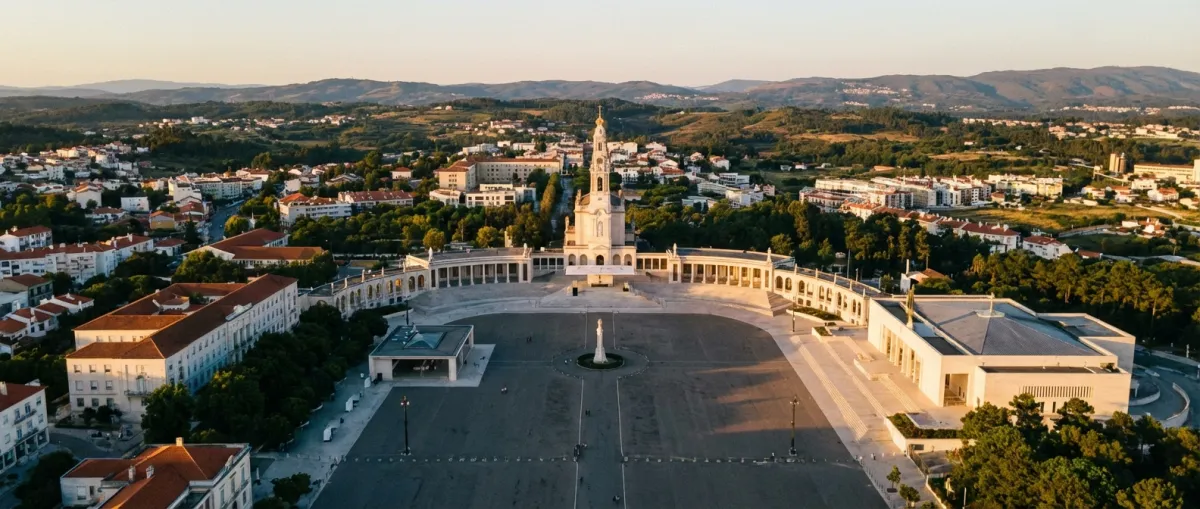
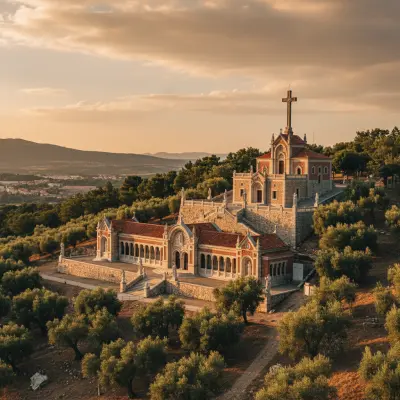
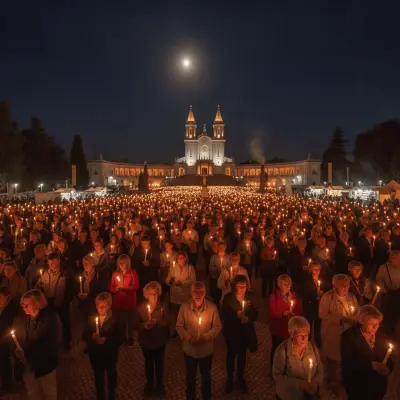
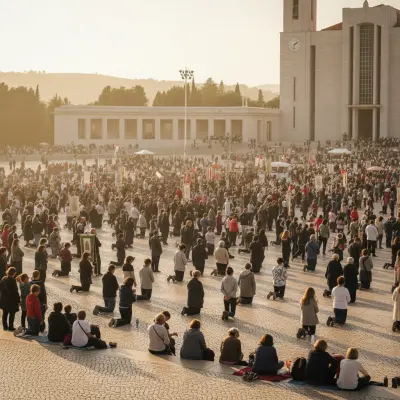
Yes, the Sanctuary of Our Lady of Fátima is the reason the city exists as we know it. The Basilica of Our Lady of the Rosary, at the top of the esplanade, is beautiful in a classic, predictable way. But it's the Church of the Most Holy Trinity, completed in 2007, that surprises, architect Alexandros Tombazis designed one of the largest Catholic temples in the world, with a restraint that contrasts sharply with everything around the precinct. The central square is vast, built to hold the crowds of the May 13th and October 13th pilgrimages. Outside those dates, the space feels almost surreal in its silence and emptiness.
What exists beyond the precinct
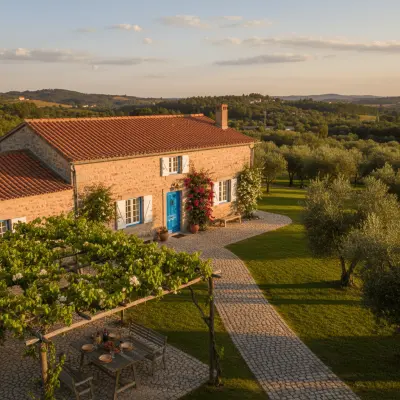
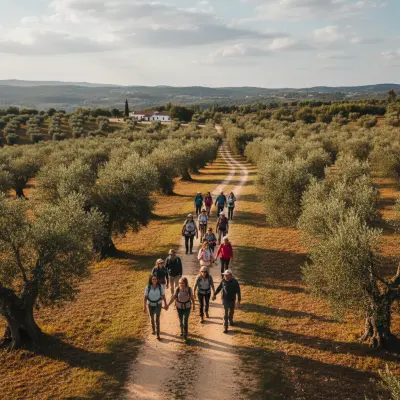
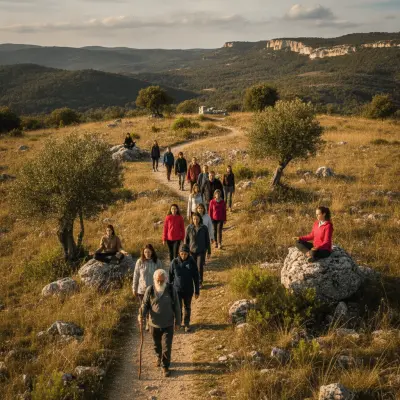
Most visitors never leave the Sanctuary's perimeter, which is a mistake. A few kilometres away lie Valinhos and Aljustrel, the hamlet where the three shepherd children lived. The houses of Lúcia and her cousins Francisco and Jacinta are preserved and give a real sense of early 20th-century rural poverty, a world apart from the Sanctuary's grandeur. The walking path between Aljustrel and Cova da Iria is short and pleasant, lined with olive trees.
The Hungarian Calvary, already featured on boa.pt, is another worthwhile detour, a Way of the Cross donated by the Hungarian community, with sculpted stations spread along a tree-lined path.
Eating and staying
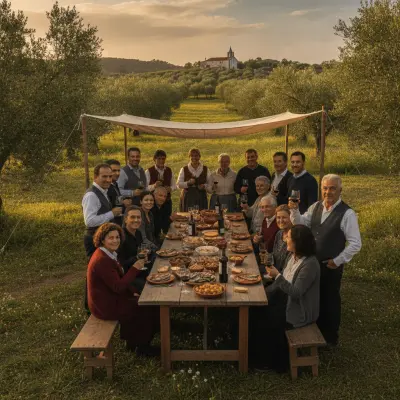
Fátima's food is that of the Estremadura and the Limestone Massif: roast kid goat, migas, goat cheese, and conventual pastries. Rua de São Paulo and the streets around the Sanctuary have tourist restaurants of mixed quality, but venture further out and you'll find simple taverns with honest food at fair prices. For leitão (suckling pig), the town of Mealhada is less than half an hour away, worth the trip.
One night is enough to see the essentials. Two days let you explore Aljustrel, the local museums, and visit the Serra de Aire e Candeeiros natural park, whose caves, particularly Grutas da Moeda and Grutas de Mira de Aire, are right next door.
When to go
Avoid the 12th and 13th of May and October unless you want crowds. Outside the main pilgrimages, Fátima is surprisingly quiet. Winter is cold and damp, but that's when the Sanctuary is at its most dramatic, nearly empty under the rain.