Vila do Porto: Where Budget Travelers Actually Sleep in Santa Maria
On Santa Maria, the oldest and cheapest island in the Azores, sleeping well without overspending is entirely possible if you know where to look. From rural stays like Quinta do Falcão to free views at Miradouro da Macela, here's how to make every euro in Vila do Porto count.
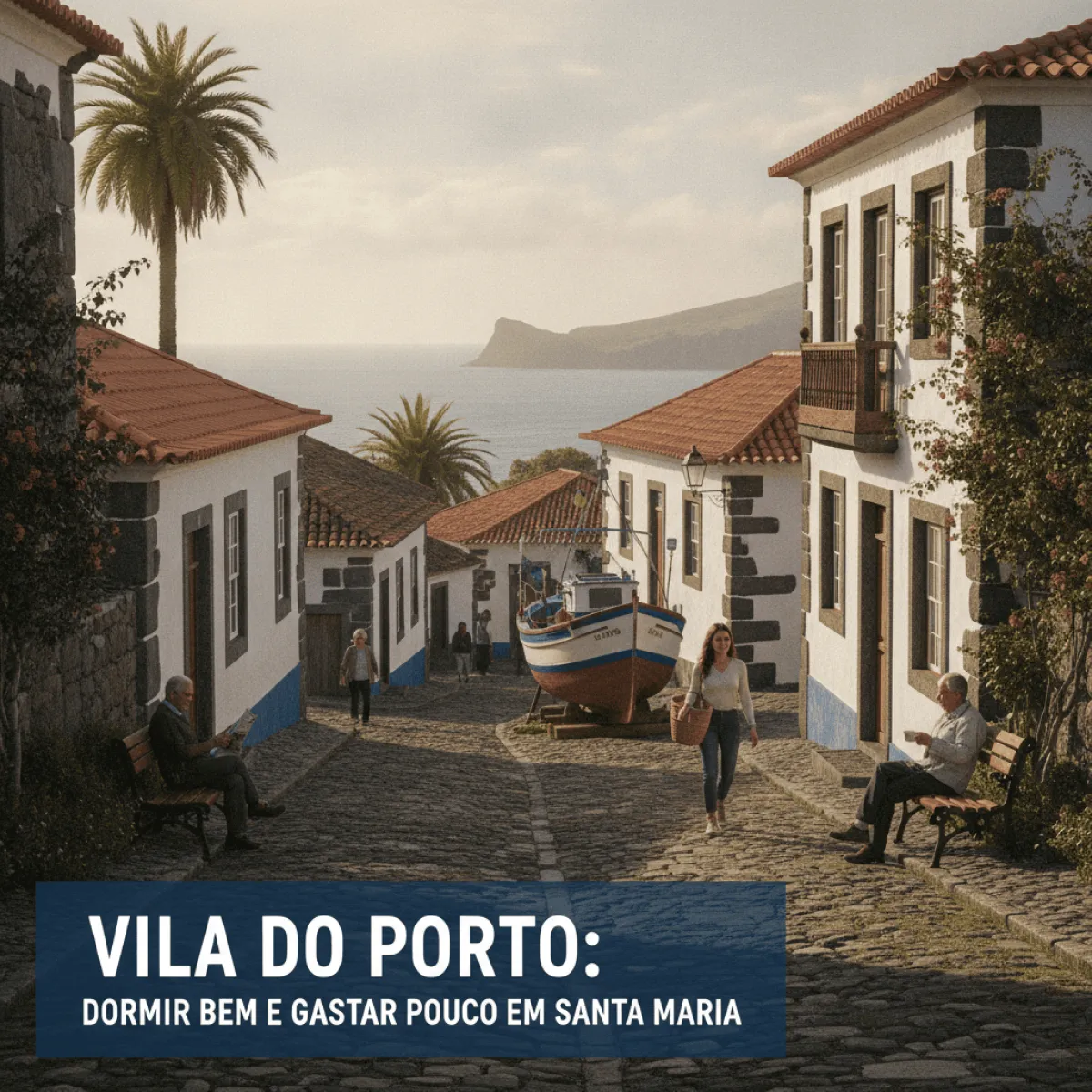
Santa Maria doesn't do infinity pools or spa resorts. It's the oldest island in the Azores, the driest, the most sun-baked by August, and for decades it was mostly known as the island where transatlantic flights stopped to refuel. That history is exactly why it works for anyone traveling on a tight budget: prices in Vila do Porto haven't followed the steep upward curve you'll find on São Miguel. There's no queue of boutique hotels competing for the best sea view here. Instead you get family-run guesthouses, rural farm stays, and a handful of simple, honest options that get the job done without ceremony.
Why base yourself in Vila do Porto
Vila do Porto is the only settlement on Santa Maria big enough to call itself a town, which solves half the logistics problem for anyone without a rental car: supermarket, pharmacy, a café open early, a bus stop. The island itself is tiny, around 97 square kilometers, and the town sits minutes from the airport, saving you a taxi fare on day one. Basing yourself here instead of scattering across villages like Santo Espírito or São Lourenço makes sense if you're relying on public transport or lifts, and everything is still reachable by bike or on foot on sunny days, which in Santa Maria is most of the year.
The case for Quinta do Falcão
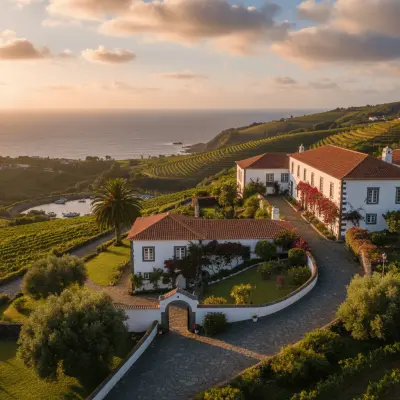
If a generic hotel room isn't what you're after, it's worth looking at Quinta do Falcão. This is the kind of rural stay that exists on Santa Maria because the island still runs largely on farming and livestock, and it offers something a city hotel never will: space, real silence at night, and the feeling of staying with someone who actually knows the island rather than checking in at a scripted front desk. For families or groups of friends splitting costs, a farmhouse setup like this often works out cheaper per person than booking separate hotel rooms, and a kitchen you can actually cook in saves money on restaurants, which matters more on an isolated island than people expect. Confirm current rates and availability locally, since these shift with the season.
What "budget" actually looks like here
I won't invent price tables that change every year, but it's fair to say Santa Maria still sits below the Azorean average for simple accommodation, especially outside July and August. The cheapest options tend to be private rooms in residents' homes, small family-run guesthouses, and, at certain times of year, informal camping in designated areas, which you should always confirm with the local council before pitching a tent. Travel outside peak season, roughly October through May, and you'll typically find noticeably lower prices and less competition for rooms, with the bonus of calmer seas for surfing, which is actually a big reason young, budget-conscious travelers pick Santa Maria in the first place.
One tip that genuinely saves money: bring cash. Many of the smaller guesthouses and cafés around Vila do Porto still prefer it, and the only ATM is in the town center, so don't count on withdrawing money late at night after a hike that ran longer than planned.
What to do for free
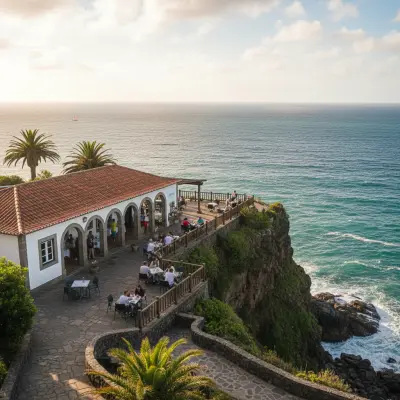
The best part of basing yourself in Vila do Porto on a budget is that the island's biggest draws don't cost a cent. Miradouro da Macela is a short walk from the center and delivers the classic postcard view over the town, the harbor, and the Atlantic beyond, with no ticket, no fixed hours, and no crowd if you show up at seven in the morning. It's the right spot to watch the sun rise over the ocean with a thermos of coffee brought from your room, which costs a fraction of any view-side café.
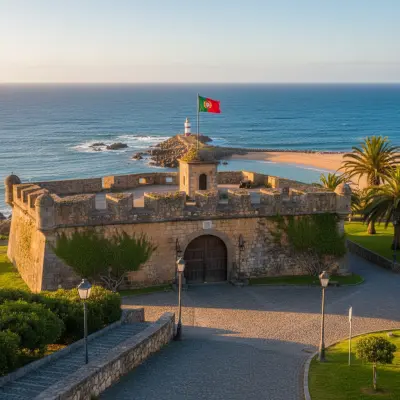
Then there's the Forte de São Brás de Vila do Porto, a military fort that holds the town's history as a strategic point in the middle of the Atlantic, a reminder that Santa Maria wasn't just a refueling stop for planes, it was a waypoint for fleets centuries earlier. Walking the area around the fort, with the fishing harbor spread out below, is free entertainment and makes it obvious why this town has always faced the sea.
Adventure without blowing the budget
Not everything needs to be free to be worth it. If you want to get out of town and see the island's wilder interior, with its dark volcanic natural pools, joining a group is a far cheaper move than renting a car and hiring a private guide. The guided hikes and natural pools departing from Vila do Porto are built for exactly this: splitting the cost of transport and local knowledge across a group instead of paying for it all yourself. If you'd rather pair beaches with the island's natural history, the SMATUR trails and beaches experience covers parts of the island that are genuinely hard to reach on foot or without local knowledge, the kind of spend that pays for itself in hours you don't lose guessing which dirt track actually goes anywhere.
Eating without paying tourist prices
The expensive mistake in Vila do Porto is always eating at the restaurants angled toward the harbor and the cruise crowd. It pays to look for the small tascas where locals actually eat, usually with a fixed daily plate and no menu translated into three languages. Fresh fish is the obvious choice on an island that lives off fishing, but meat dishes with Santa Maria cheese and the Azorean sopas de cavalo cansado ("tired horse soup", a hearty meat and bread stew despite the name) show up at prices far friendlier than the grilled lobster advertised in big letters right outside the airport.
Getting around without paying for taxis
Santa Maria's airport sits about ten minutes from Vila do Porto, an easy walk with a light bag or a quick ride if your accommodation has bikes on loan, saving you that first taxi fare before your trip even starts. The island has a bus network, but schedules are limited, so anyone serious about saving money and skipping a rental car should build the day around the timetable rather than the other way around. Short distances within town are all walkable without a second thought.
If you're island-hopping the archipelago on a budget, Santa Maria often ends up being the opening or closing stop, connecting onward to São Miguel and the rest of the central group from there. It's worth thinking ahead about the rest of the route: anyone continuing to Angra do Heroísmo will find guides like Angra do Heroísmo in 24 Hours, at a Local's Pace and, for the rainy days that come with the central group's climate, a real Plan B for Angra do Heroísmo in the rain. Heading to Faial instead, there's also 24 Hours in Horta, useful for anyone stitching together several small islands on one backpacker budget.
A note on climate and timing
Santa Maria is known across the archipelago as the sunny island, and that's not just tourist-brochure talk: it genuinely rains noticeably less here than on São Miguel or the central group, which makes it appealing year-round. But for budget travelers, the price gap between July, August, and the rest of the year is the variable that matters most. September still has warm enough water for swimming and already has fewer crowds and friendlier rates, probably the smartest window for anyone chasing sun on a tight budget.
The practical summary
- Basing yourself in Vila do Porto saves on transport since everything sits close to the airport and town center.
- Rural stays like Quinta do Falcão tend to pay off for groups or families splitting the cost per person.
- The island's best views, like Miradouro da Macela, cost nothing.
- Bring cash, since the only ATM is in the town center.
- Traveling outside July and August cuts accommodation costs significantly.
- Join shared group excursions instead of renting a car solo to keep the cost of hikes and natural pools down.
Vila do Porto isn't going to dazzle anyone chasing luxury, and that's the point. It's a town of fishermen and farmers that keeps running on its own schedule, which, for a traveler with a tight budget and enough time to walk to Miradouro da Macela instead of catching a taxi, is exactly the kind of place where every euro saved actually feels earned.