Lisbon in September: 3 Days Without August's Heat
In August, Lisbon cooks and the queues wrap around the block. In September, highs drop to a comfortable 26-27°C, locals head back to school and work, and suddenly there is a free table at A Brasileira without the wait. This three-day itinerary shows how to use that window, from the Museu Nacional de Arte Antiga to real fado at O Faia.
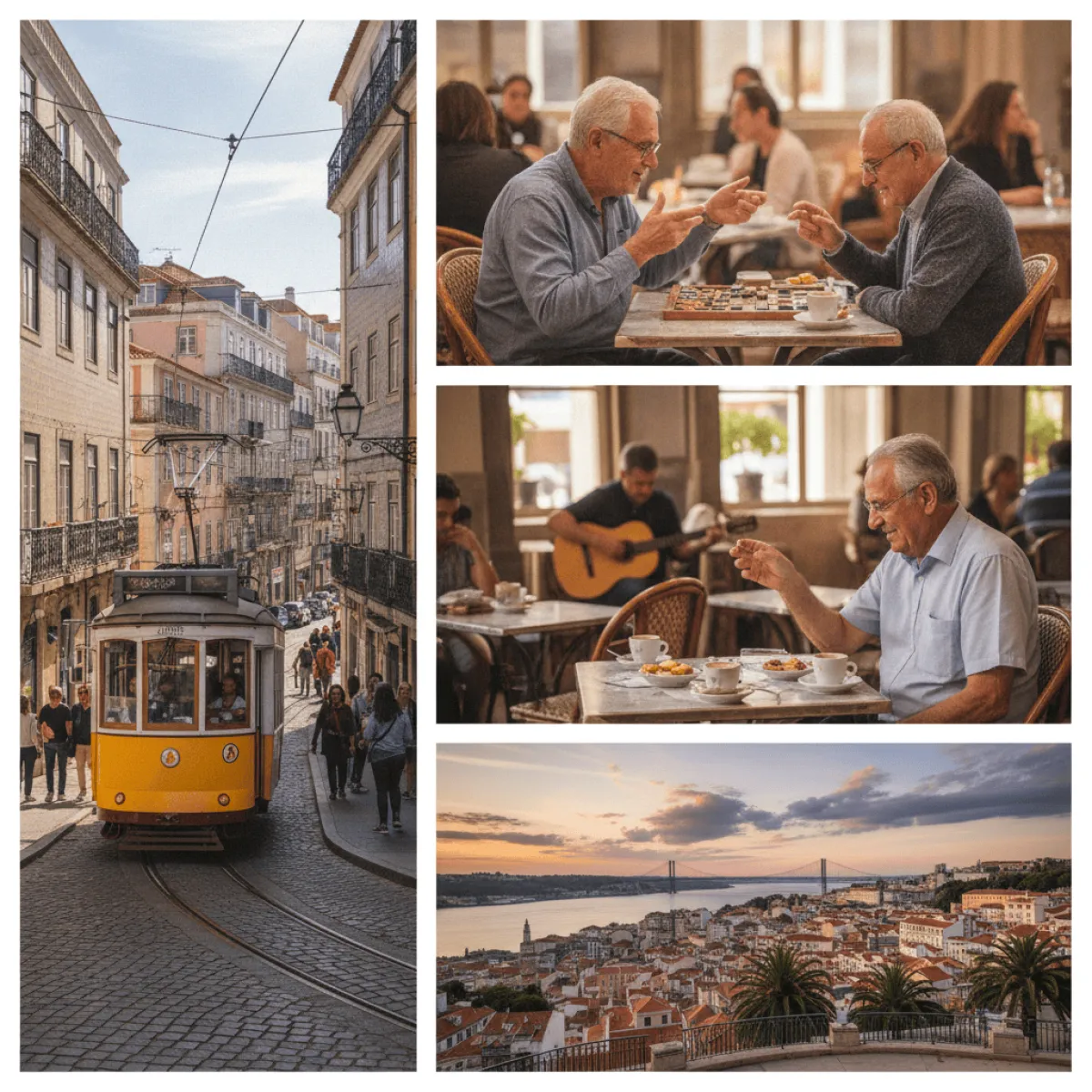
In August, Lisbon cooks. Every terrace in Chiado is full until eleven at night, the Tejo throws back a sun that hits straight down at three in the afternoon, and tram 28 turns into a yellow metal oven on wheels. September is a different city. Highs settle into a comfortable range, around 26 to 27°C in the first weeks, lows sit near 18°C, and rain is rare to nonexistent. But what actually changes is the rhythm: Portuguese schools restart mid-month, locals go back to work, and the queues that wrapped around the block in August shrink to twenty minutes, or vanish entirely before ten in the morning.
Why September beats August, every time
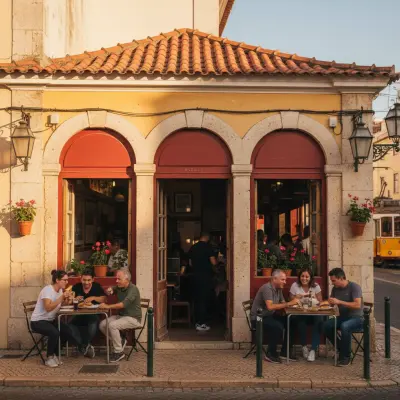
It is not just the temperature. It is the light, no longer that blown-out white of high summer but a lower, more generous gold from around six in the evening. It is the river, still warm enough for a swim in Cascais or on the Caparica coast on a sunny weekend. And it is the fact that you can actually get a table at A Brasileira without a wait, unthinkable in the middle of August. This itinerary assumes three full days, on foot and by tram, no rental car, no rush to see everything. Lisbon does not do itself justice in three days, but you can leave with an honest sense of what the city is, beyond the postcard.
Day 1: Chiado, Baixa and Alfama, from books to fado
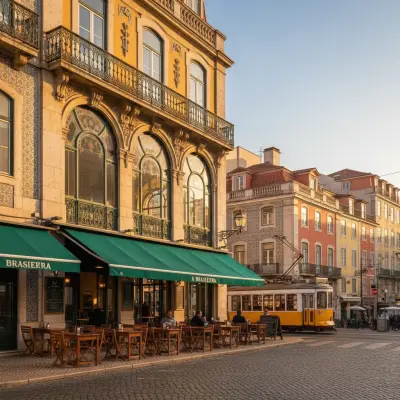
Start early, before nine, at A Brasileira in Chiado. Yes, this is where the Pessoa statue is, and yes, it is full of tourists photographing it, but a short espresso at the counter costs the same as anywhere else nearby, and the mirrored, gilded 1905 interior is still worth seeing outside peak hours. Order the plain coffee, not the inflated "house special" from the tourist menu.
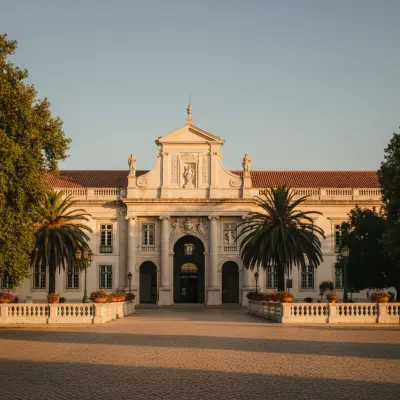
From there, walk down into Baixa and head to the Museu Nacional de Arte Antiga on Rua das Janelas Verdes. It is the most underrated museum in Lisbon: it holds Bosch's Temptations of Saint Anthony, a triptych that alone justifies the ticket, and there is rarely a line. Set aside at least two hours, it is large and laid out across floors that invite you to get a little lost. The terrace cafe overlooking the Tejo is a bonus most visitors never find.
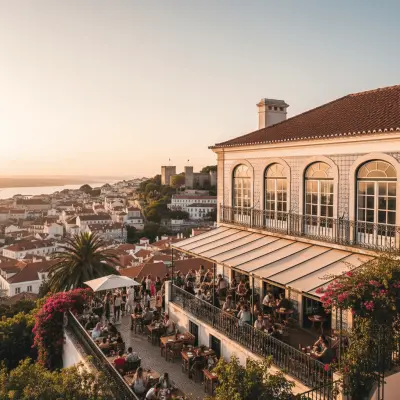
Have a light lunch nearby, then climb into Alfama on foot, slowly, through the stepped alleys between the Sé cathedral and the castle. Do not try to see everything, the goal is to reach Miradouro da Senhora do Monte by late afternoon, the best viewpoint in Lisbon and one of the least talked about. It sits higher than Graça, and the view takes in the castle, the river and the 25 de Abril bridge in a single sightline. Arrive around seven, grab a beer from the kiosk next to it, and sit on the wall. It is free, and worth more than any paid viewpoint ticket in the center.
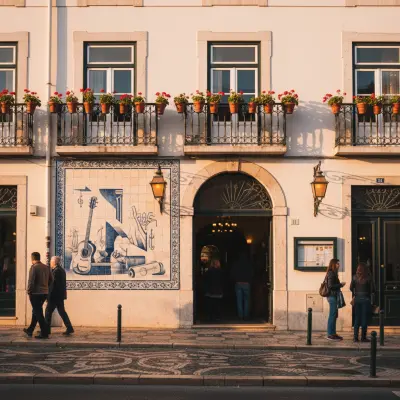
For dinner, real fado, not the generic tour-bus show. O Faia - Casa de Fados, in Bairro Alto, is a historic house with singers who have performed there for decades and a Portuguese menu that is treated seriously, not as decoration. Book ahead, especially Friday and Saturday, and plan for a long meal: this is not a place you rush through, it is a place you listen in.
Day 2: Down to Belém, on two wheels or on foot
Belém in September, without the heat flattening everything by two in the afternoon, is a different experience. The most fun way to get there is not tram 15, it is by bicycle, and there are two different ways to do it depending on what you are after. For a bit of adrenaline and a good story to tell, try From Peak to Pier, a downhill route that starts high above the city and rolls down toward the river, using Lisbon's slope in your favor instead of against your legs. If you would rather keep it calm and flat, right along the water, no climbs and no surprises, go for Cycling the Lisbon Waterfront with Bike a Wish, which follows the riverside all the way to Belém on a flat route, ideal if you are traveling with kids or simply do not want to sweat before breakfast.
Once in Belém, the original custard tart is at Antiga Confeitaria de Belém, but even in September the line can run past thirty minutes around noon. Go early, before ten, or accept the wait as part of the ritual. Afterward, the Jerónimos Monastery and Belém Tower fill the morning, and the afternoon can be spent unhurried in the riverside gardens, without the urgency of escaping the midday sun that dominates summer visits.
Head back into the center by taxi, Uber or tram in the late afternoon, saving energy to explore Lisbon's interior the next day, past the obvious monuments. If a day in Belém and along the river leaves you wanting more context on the city itself, the guide Local Culture in Lisbon goes deeper into the neighborhoods and traditions a single day skips over.
Day 3: Gulbenkian, bifanas and the Lisbon that is not a postcard
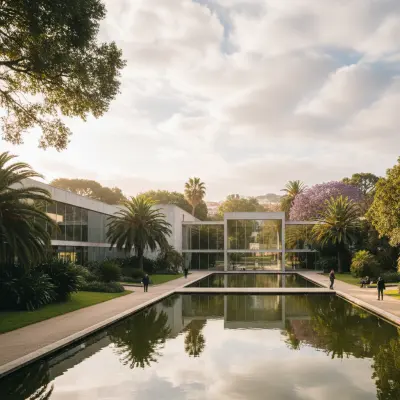
The third day is for the Museu Calouste Gulbenkian, arguably the best art collection in Portugal and yet far removed from the hustle of the historic center. Give it the whole morning: the founder's collection runs from Egyptian art to Rembrandt, Rodin and Lalique, inside a 1960s building surrounded by seven hectares of gardens where you can simply sit in the shade after two hours indoors. In September, without extreme heat, the garden is as good a reason to go as the galleries themselves.
For lunch, skip the tourist menu and go to As Bifanas do Afonso. It is simple, fast, cheap, and exactly what a bifana should be: bread soaking up the sauce, thin marinated pork, no unnecessary garnish. Do not ask to customize it, order the classic.
Leave the afternoon open, with no fixed plan, the best way to get to know Lisbon after two days of tight scheduling. Chiado, Príncipe Real, or back into Alfama through streets you have not seen yet. If you genuinely want to understand the structure of the city, its neighborhoods, and the real difference between postcard Lisbon and everyday Lisbon, the guide Local Culture in Lisbon is worth reading before you head out on this last afternoon.
If you stay another day
September is also the right month for a side trip to Sintra, because the hills stay cool even as Lisbon warms up, and in August the line for Pena Palace can mean hours standing in direct sun. Before you go, it is worth checking the Sintra Neighborhood Guide to pick areas beyond the historic center, which gets clogged with tour buses year round. Further north, Mafra holds its monumental convent and a well-documented tradition of convent sweets, even outside Easter season: the guide Easter Sweets in Mafra gives a good sense of the history behind those recipes, though the best time to taste them fresh is genuinely around Easter itself.
The essentials, in numbers
- Transport: buy a Viva Viagem card (0.50 euros to issue) and load it with Zapping fares or a 24-hour day pass, which runs around 6.80 euros and covers the metro, trams and most buses.
- Museums: the Museu Nacional de Arte Antiga and the Museu Calouste Gulbenkian offer free entry on certain days and hours, check locally before planning your day around it.
- Fado: at a house like O Faia, expect a minimum consumption charge and book ahead, especially on weekends.
- Footwear: Alfama and the climb up to Miradouro da Senhora do Monte run over uneven Portuguese cobblestone, wear something comfortable, not new sandals.
- Best time of day: between 8am and 10am and after 6pm to avoid both the heat and the crowds, even in September.
Lisbon in August is a city surviving its own tourist success. Lisbon in September is the same city, but breathing. The same hills, the same river, the same bifanas, just without having to fight ten thousand other people for a patch of shade. Go before everyone else figures that out too.