Bragança in September: The Escape From Algarve's Crowds
While the Algarve stays packed through September, Bragança quietly has its best month: cool nights in Montesinho, posta mirandesa without a queue, and a whole town left to whoever showed up early.
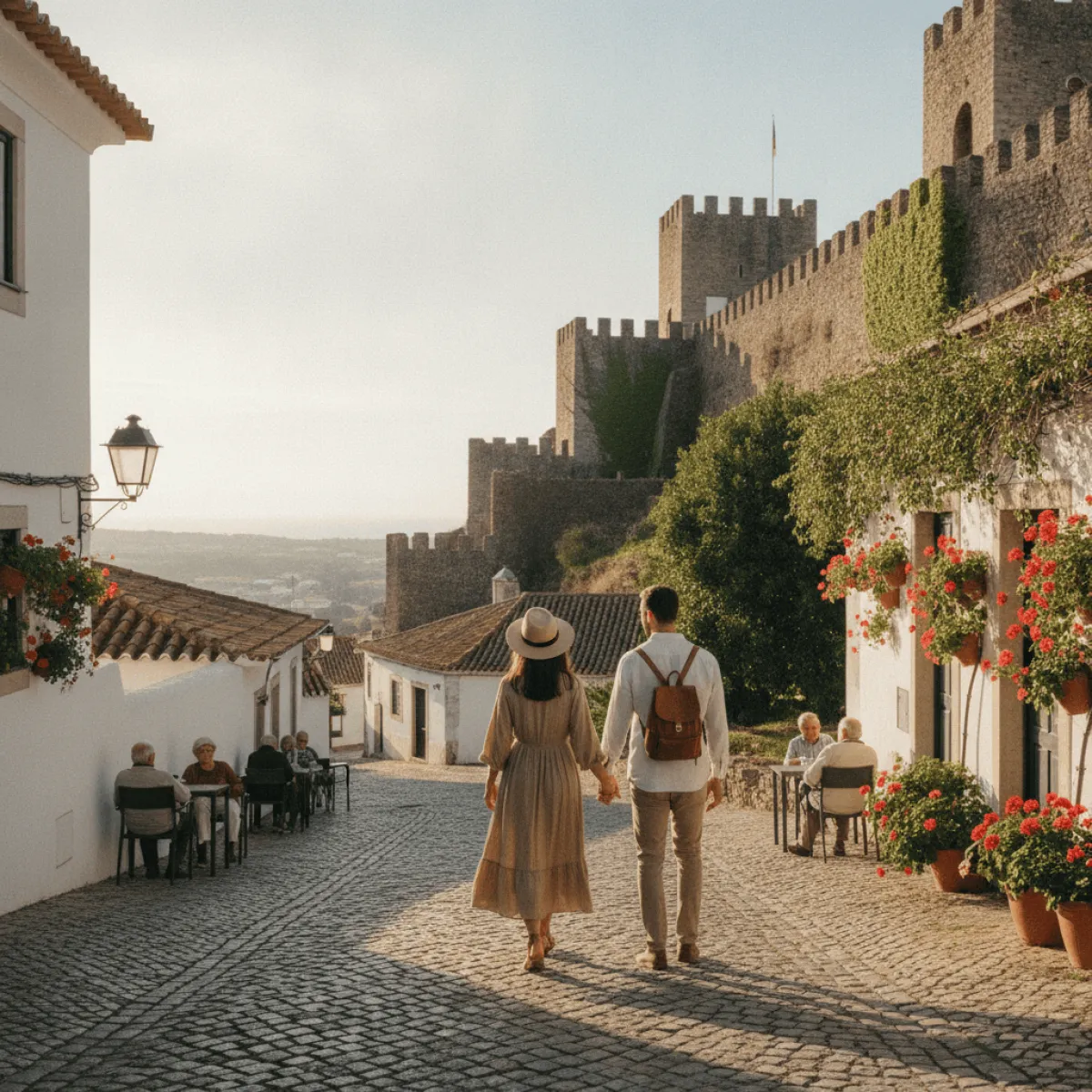
September is the month when half of Portugal still pretends it's summer. The Algarve beaches fill up with people who saved their last days off for the end, accommodation prices stay stuck at August levels, and the queue for a patch of shade under an umbrella stretches back to the boardwalk. Three hundred miles away, in the most isolated corner of the country, Bragança is having one of its best months of the year and almost nobody notices.
There's no sea in Bragança, let's get that out of the way. But there's something worth just as much as an empty beach: space. In the first weeks of September the nights already bring a dry chill that calls for a jacket after dinner, the summer crowds have gone home, and the town belongs again to the people who actually live there, plus the handful of visitors sensible enough to come now instead of in August.
A town that doesn't need crowds to be worth the trip
Bragança is built around the Cidadela, the walled medieval core sitting on the town's highest point. Inside it stands the Domus Municipalis, a Romanesque civic building with no known parallel in the country, and the Torre de Menagem, still dominating the skyline the way it did eight hundred years ago. Walking those cobbled streets before nine in the morning means having them entirely to yourself, just the sound of stone underfoot and not much else.
Across town, inside the old Bishop's Palace, the Museu do Abade de Baçal holds a collection running from archaeology to regional painting. For anyone who'd rather have a person explain things than read wall text, there's a guided tour of the Bishop's Palace Museum that ties the building's own history to the collection inside it, which makes sense since the two explain each other. Book ahead: September has more availability than peak summer, but the groups stay small by nature, and that's exactly how they should stay.
Montesinho: where silence is the main attraction
Fifteen minutes by car from the center, the Montesinho Natural Park begins, a reserve of granite villages, oak woods and chestnut groves stretching all the way to the Spanish border. Rio de Onor, one of the park's best-known villages, is literally split in two by the border line, houses on each side, the result of centuries where the frontier mattered less than the neighbors.
It's also Iberian wolf territory, though spotting one is a matter of luck rather than itinerary planning. What's guaranteed is the walking: well-marked trails, oak shade when the early afternoon sun still bites, and villages where the only noise is a cow or a dog announcing your arrival. For anyone who wants to slow down properly, there's a yoga experience in the heart of Montesinho, built exactly for this kind of landscape, no rush and no phone buzzing. It's not for adrenaline seekers. It's for the exact opposite of an Algarve beach in August.
What to bring, what to expect
- Proper walking shoes, even if the plan is just wandering through the villages: the ground is uneven.
- Enough water. Fountains exist but aren't guaranteed in every village.
- A light jacket for late afternoon, even if the day started out warm.
Trás-os-Montes cooking doesn't do tourist food, it does the real thing
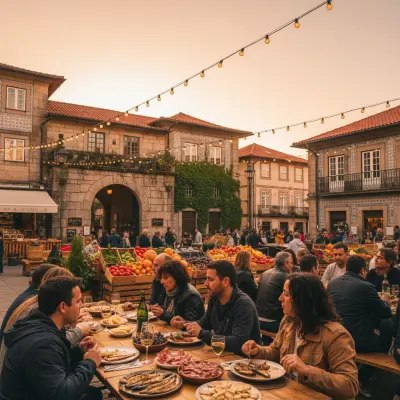
If there's one reason to come to Bragança outside beach season, it's the food. Posta mirandesa, a thick grilled veal steak served almost always medium-rare, is the region's reference dish and comes from Miranda do Douro, nearby. Order it plain, with smashed potatoes on the side, and be suspicious of anywhere that drowns it in sauce: the meat doesn't need the disguise.
North of Bragança lies Vinhais, smoked-meat country, where pork gets treated with the same respect other regions reserve for wine. Chouriças, alheiras and smoked ham are part of a tradition passed down through generations, and it's worth understanding the context before tasting. The guide Vinhais: Smoked Sausages and Wolf Country in the North lays out that connection between the cold highland terrain, the smoked meat, and the wolves living next door, three things that in Vinhais always come together.
Further west, on the Barroso plateau, Montalegre has roast kid goat as its signature dish, wood-fired and served with baked rice. This is not a quick meal between sightseeing stops: block out proper time, or better, block out the whole day. The guide Montalegre: Roast Kid Goat and the Barroso Meat Trail maps out a route through that food culture, though it sits about two hours from Bragança, making it more of a full day trip than an afternoon detour.
At night, Bragança doesn't pretend to be Lisbon, and that's a good thing
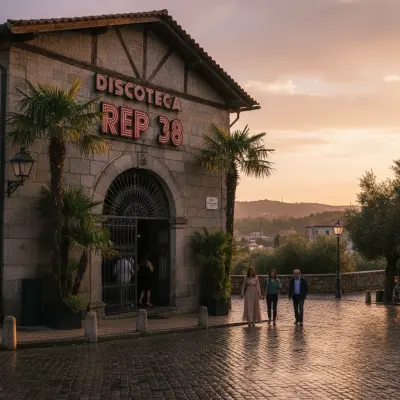
Nobody comes to Bragança looking for big-city nightlife, and the town doesn't pretend otherwise. What it offers is genuine: Mercado Club remains the go-to spot for anyone wanting to dance late, Moda Café works well as a stop before or after going out, and Discoteca Rep 38 has its own loyal weekend crowd. None of these places will show up on an international list of Europe's best clubs, and that's fine. They're built for the people who actually live there, not for passing tourists, which incidentally is exactly what makes them worth visiting.
Getting there and what it costs
Bragança sits about two and a half hours from Porto by motorway via Vila Real, and there's no quick way in from Lisbon, which is a four-hour-plus drive. This isn't a rushed weekend trip from the south. It's a destination where the journey itself is part of the plan, not an obstacle to get past.
A full meal built around posta mirandesa at a local tasca typically costs well under what you'd pay for grilled fish on an Algarve terrace in August, with no tourist markup baked in. Accommodation eases up too come September: rooms that carry inflated July and August rates settle back to reasonable prices once the school year starts again. Always confirm current prices and availability directly before traveling, since this shifts from year to year.
The bottom line
Nobody's saying the Algarve isn't worth it, it is, it's just that in September it's still full of people trying to convince themselves the holidays aren't over. Bragança offers the opposite: a month when the town, the park, and the villages around it are exactly what they should be year-round, no lines, no last-minute booking stress, and autumn already creeping into the cool nights of Montesinho. If the goal is sun without the crowds, sometimes the right answer isn't another beach. It's leaving the coastal map entirely.