Leiria by Bike: From Pine Forest to Castle
Leiria isn't known for cycling, but it has a centuries-old flat, shaded pine forest for beginners and real hills toward Fátima for stronger riders. Two paces, one municipality.
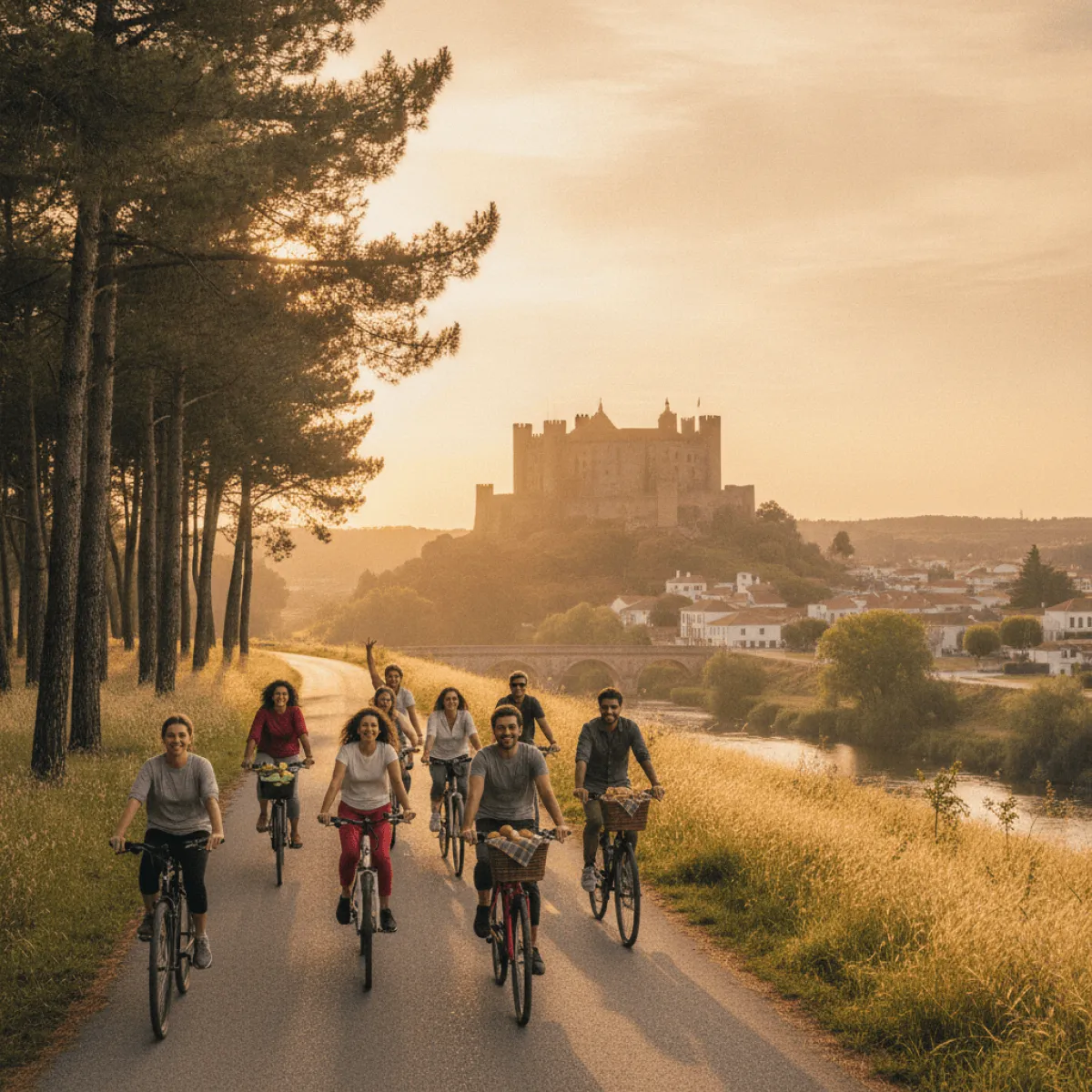
Nobody thinks of Leiria as a cycling destination. People think of Óbidos, or Serra da Estrela, or the Douro with its vertical vineyard slopes. But Leiria has something few places in Portugal can offer: a huge, flat, shaded pine forest with almost no traffic, connecting the city to the sea. And if you want to raise the stakes, there are real hills to the east, toward Fátima. It's a municipality that serves two completely different kinds of cyclist, and that's exactly what makes it interesting.
For beginners: the Pinhal de Leiria
The Pinhal de Leiria was planted in the 13th century, on the orders of King Dinis, to hold back sand dunes threatening farmland. Seven hundred years later, it's the best argument this country has for easy cycling. Flat terrain, packed sand in many stretches, tall pines providing shade all day long. You enter near Marinha Grande or from Leiria itself and pedal toward the coast, all the way to São Pedro de Moel, without a single climb worth the name.
This is the right spot if you've never cycled outside a city, if you're traveling with kids, if you want an afternoon on two wheels without suffering. There's nothing dramatic to photograph every hundred meters, and that's exactly why it works: the pine forest is about rhythm, the smell of resin, the sound of tires on packed sand. Bring water. Fountains aren't reliable, and in August the shade helps but the heat still builds up regardless.
The city itself: from castle to river
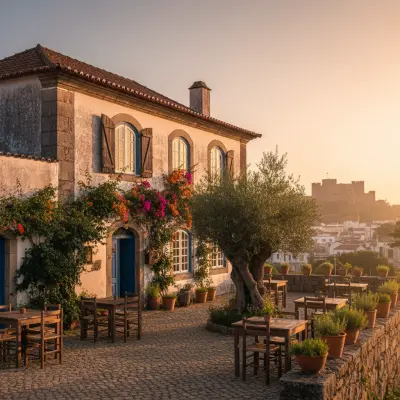
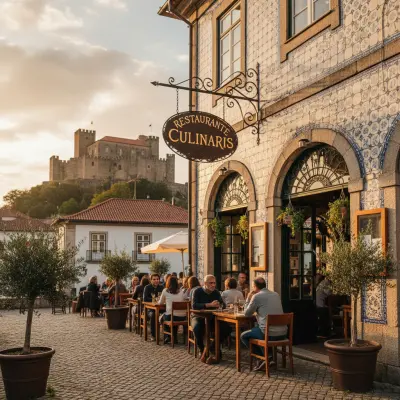
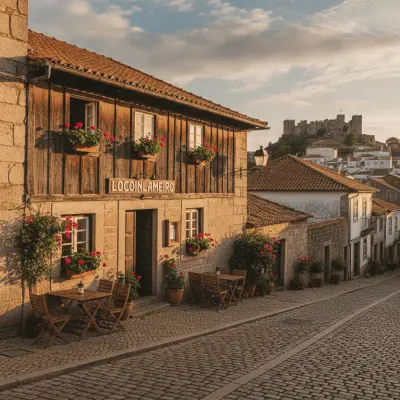
Leiria city deserves a morning of its own, even before heading out into the forest. Leiria Castle sits on a hill overlooking the Lis river, and the climb up (or the walk pushing your bike, let's be honest) is already a small workout. From the top, the view over the rooftops and valley makes it worth it. Then you descend to the river, where there's a quiet riverside path, good for warming up your legs before the bigger ride or cooling down after it.
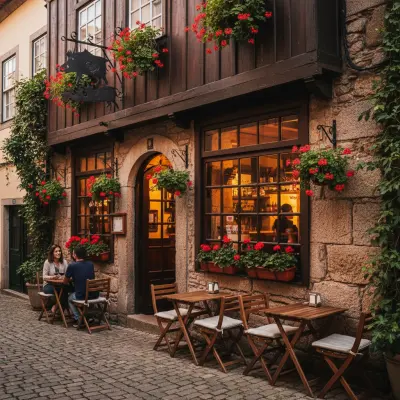
This is also where you sort out eating well, and Leiria doesn't disappoint. Casinha Velha is a long-standing reference in the city, honest Portuguese cooking, the kind of place where you order the bacalhau and think twice about dessert because the portions don't mess around. If you prefer something more informal after a full day of pedaling, a tavern with good grilled meat and regional wine solves the problem without complications. And if you're after something more refined, with less obviously regional dishes, the city has options that step away from the expected without tipping into pretension.
For riders who already have legs: heading inland
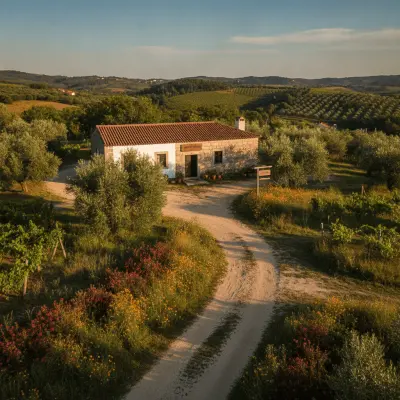
If you already have some strength and want to step it up, the pine forest quickly becomes repetitive. The alternative is turning east, into the interior of the municipality, where the terrain starts rolling seriously as you approach the Serra de Aire e Candeeiros. The secondary roads out there, weaving through olive groves and small villages, are the kind of route where your heart rate actually climbs, without heavy traffic complicating things.
A popular variant among more experienced local cyclists is heading toward Fátima. The sanctuary mostly draws pilgrims on foot, but the road connecting Leiria to Fátima is also ridden by those who prefer two wheels, especially outside the major pilgrimage dates. If you're planning this for May, it's worth reading our honest guide to the May 13th pilgrimage first, because on those days the roads fill with pilgrims and traffic changes completely. Outside those dates, it's a calm route, with moderate climbs and good visibility.
What to bring and when to go
- Spring (March to May) and autumn (September to October) are ideal: mild temperatures, fewer people, less heat in the pine forest.
- In summer, leave early. Before 9am the forest still has some coolness and the inland road hasn't started cooking yet.
- Quality bike rental shops are scarce inside Leiria city itself, unlike Óbidos or Coimbra. If you don't have your own bike, it's safer to arrange one in advance through your accommodation.
- Water and sunscreen are non-negotiable on the inland routes. Shade in the forest helps but doesn't replace hydration.
Where to sleep after a day of pedaling
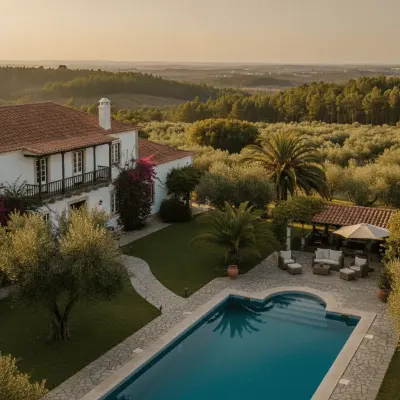
Quinta do Bamby is a solid choice if you want to wake up close to open countryside, away from noise, with room to safely store your bike and maybe hang your sweaty gear out to dry. If you prefer something even more isolated and truly rural in pace, the area has accommodations that bet on silence and nature over pools and high-speed wifi, which, if all you want is to rest your legs, is exactly what you're looking for.
If you're staying longer and want to pair the cycling with something completely different, it's worth considering the private retreat in Arrabal, at Villa Nour, for a rural luxury break that has nothing to do with pedaling but works perfectly for recovering sore muscles the next day.
A break that isn't about pedaling
Not everything in Leiria has to be measured in kilometers. In Bajouca, a parish within the municipality with a long pottery tradition, you can stop the route and try a traditional pottery workshop, taught by people who've been doing this for generations. It's a good physical counterpoint: after hours on your legs, a few hours with your hands, at the potter's wheel, shaping clay instead of covering road.
Combinations for longer stays
If Leiria becomes the base for a longer trip, there are nearby spots worth the detour, even without a bike involved. Caldas da Rainha, a little to the north, has excellent walking routes around its lagoon and park area, and we have an honest guide to April walks around there worth checking if you want to trade the bike for boots for a day. It's a good way to rest your legs one way while tiring them out another.
The practical summary
Leiria won't replace the Douro or Serra da Estrela in the imagination of Portuguese cycling, and that's not the point. What it offers is versatility: a flat, generous pine forest for those starting out or just wanting to relax on two wheels, and real hills for those wanting to actually sweat, all within a short distance of a city that eats well and sleeps even better. You don't have to choose between effort and comfort. In Leiria, both fit into the same weekend.