Funchal's Levadas in September: Why the Timing Matters
By September, the heat eases and August's crowds have thinned, but the water still runs hard through Funchal's levadas. It's the month when Caldeirão Verde rewards the effort without a queue in the tunnel.
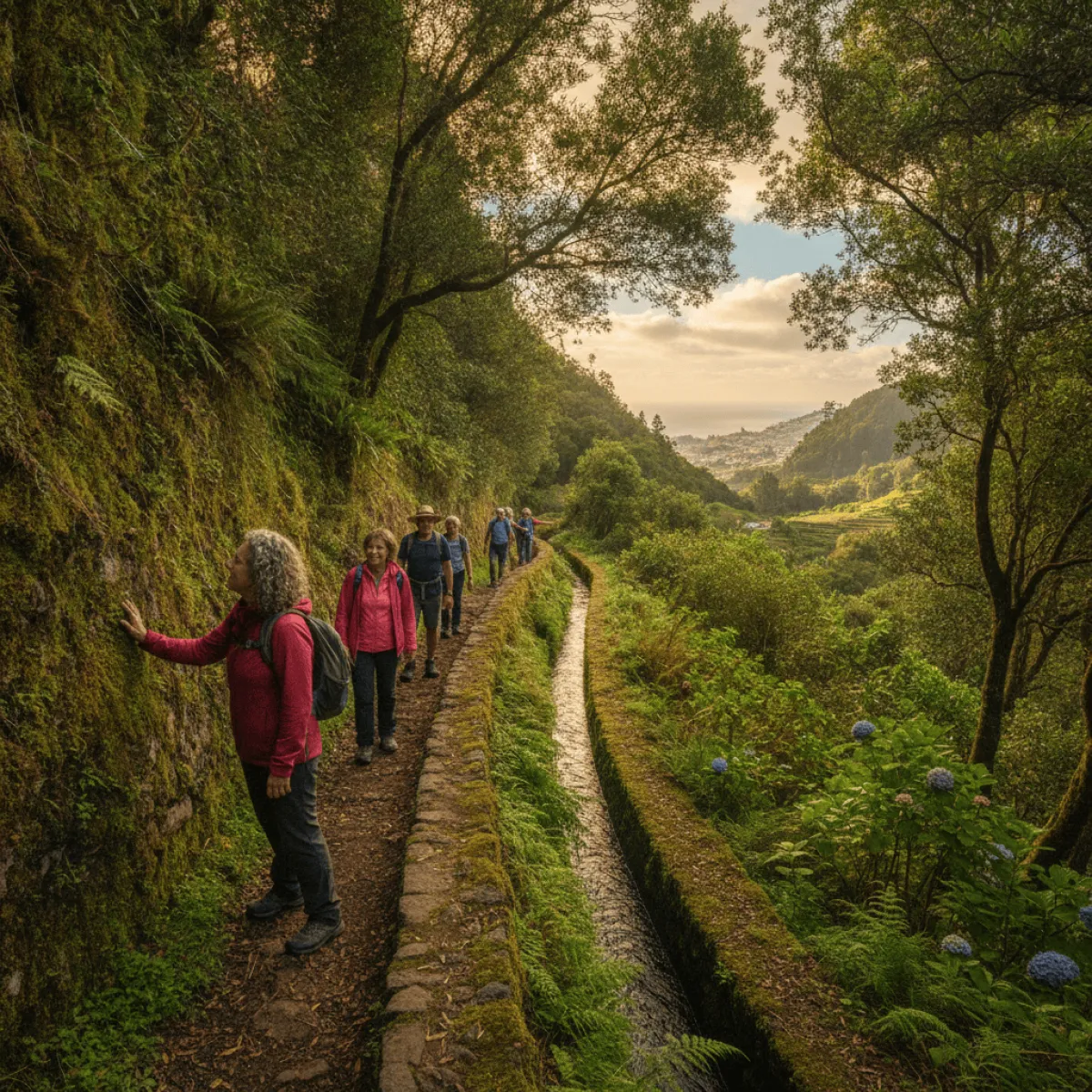
In August, Funchal's levadas fill up with sun hats and the wrong kind of shoes. By September, the heat eases off, the tour buses stop queuing at Queimadas at nine in the morning, and the water still runs hard enough to make the walk worth it. If there's one month to lace up your boots and follow the irrigation channels Madeirans carved into the mountainside five centuries ago, this is it.
September in Madeira still delivers beach-worthy afternoons, but the interior of the island starts to breathe again. Late-summer rain begins refilling levadas that run thinner in July and August, and the lower afternoon light hits the hillsides differently than the flat glare of August. For walkers, that means less sunstroke, less dust on the trail, and waterfalls with more to say for themselves.
Caldeirão Verde: the walk everyone recommends, and rightly so
Some trails get famous because they photograph well. Others earn it. The Caldeirão Verde levada walk belongs to the second group. It starts at the Queimadas forest park, cuts through several tunnels carved straight into the rock (bring a headlamp, your phone light won't cut it), and ends at a waterfall dropping into a pool cold enough to knock the air out of you. By September, after months of dry weather, the waterfall still puts on a show, just without the winter runoff that sometimes forces the trail to close.
The round trip runs somewhere between 13 and 15 kilometers with modest elevation gain but several hours on your feet, so start early. Bring more water than you think you need: there's nowhere to buy anything past Queimadas. The more cautious hikers go with a local guide, mostly because of the unlit tunnels and the narrow, unrailed sections that do exist and shouldn't be underestimated.
For those who want warm air and cold water on the same day
September still allows the luxury of combining a morning walk with an afternoon swim. The Funchal Summer: Levada Walks and Coastal Pools experience pairs exactly that: trails alongside irrigation channels with stops at natural pools where you can cool off before pushing on. It's a looser itinerary than Caldeirão Verde, built for people who don't want a whole day committed to a single route but still want to leave Funchal and come back with dirt under their fingernails.
The real difference between walking in September and walking at the height of summer comes down to water temperature. In August, jumping into a natural pool is instant relief. In September, the water has cooled from the previous winter but the air no longer scorches the way it does in July, which makes the swim less of a shock and more of a pleasure.
How the season changes the advice
It's worth comparing this to what gets recommended at other times of year. The guide Funchal's Levadas in April: The Walks Worth Your Time describes trails still wet from winter rain, with lush vegetation but occasionally slippery footing. Meanwhile Funchal in June paints an island warming up fast, with the first big waves of tourists arriving. September sits somewhere in between: no April mud, none of the June and July crowds, and not yet the cold wind that starts showing up by October at higher elevations, around Pico do Areeiro or the plateaus near Curral das Freiras.
If your time in Funchal is limited, that's also the practical upside of September: tour operators still run full schedules, but you no longer need to book weeks ahead the way you do in August. A phone call the day before usually secures a spot on a half-day excursion or a transfer out to Queimadas or Rabaçal.
A slower day: gardens instead of tunnels
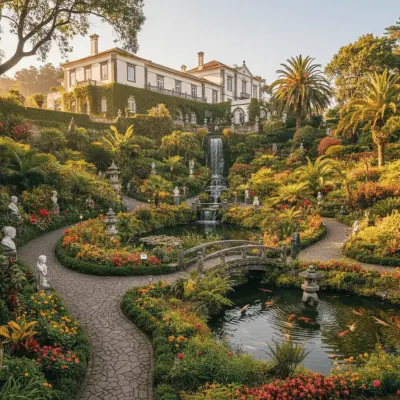
Not every day needs to be a grueling hike, and September is also excellent for the in-between days. Monte Palace Tropical Garden sits a few minutes from Terreiro da Luta, a starting point for several trails descending toward Funchal, and works well as a reward after a demanding morning: koi ponds, antique Portuguese tiles, and a view over the bay without another step of climbing required.
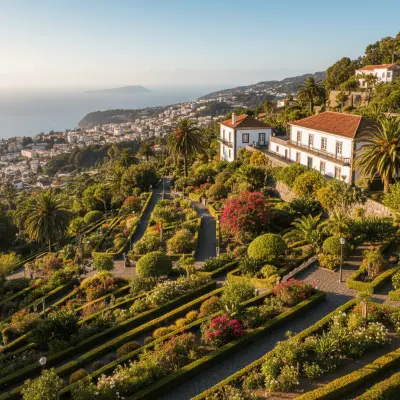
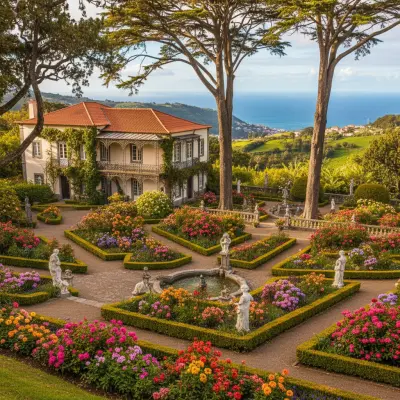
For an even slower pace, there's the Jardim Botânico da Madeira – Eng.º Rui Vieira, with its terraced grounds stacked above the city, or Palheiro Gardens, on the old Quinta do Palheiro Ferreiro estate, where English-style gardens sit alongside centuries-old trees brought from half the world by the estate's former owners. None of these replace a levada walk, but they all serve as a necessary counterweight: a garden day sandwiched between two trail days keeps your legs from staging a protest on day three.
After the walk, the table
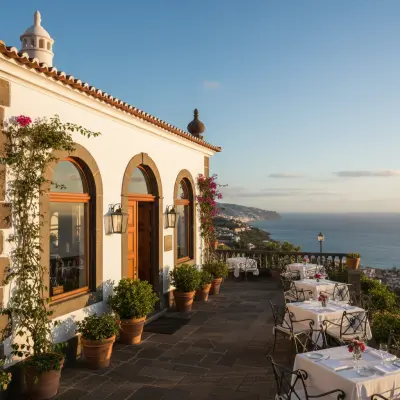
Anyone who's covered eight or ten kilometers along a levada has earned a proper dinner, and Funchal doesn't disappoint. Casal da Penha is the right call for no-frills Madeiran food: skewered beef grilled over bay laurel sticks, fried cornmeal, a local wine poured without much ceremony. It's the kind of meal that makes sense after a day with dust in your boots.
For something different, Il Gallo d'Oro, holder of a Michelin star, sits at the opposite end of the spectrum: chef-driven cooking, attentive service, and a bill that matches the ambition on the plate. It's not for every night, but after a week of walking, a meal like this works almost as a closing ceremony.
If your trip includes a stop in Câmara de Lobos, a short drive from Funchal, it's worth following the recommendations in Câmara de Lobos: Where to Eat Grilled Sardines Right. Sardines grilled over charcoal, with the sea right there, is the perfect counterpoint to a morning spent on freshwater trails.
Getting there and what it costs
- Rental car: gives you the freedom to reach Queimadas or Rabaçal without depending on schedules, but the mountain roads demand attention and some parking areas fill up early.
- Organized tours: in September, with lower demand than August, you can usually find a spot on a half-day walk for something in the range of 30 to 50 euros per person, depending on the trail and whether transport is included.
- Taxi or private transfer: pricier, but practical if you'd rather not drive the tight mountain curves yourself.
- Gear: boots with real grip, a headlamp for the tunnels, more water than you think you need (there are no refill points along most routes), and a windbreaker, since the temperature shifts fast in the shade of the tunnels and the laurisilva forest.
The bottom line
September isn't the most obvious month to visit Funchal, and maybe that's exactly why it pays off. The levadas are there year-round, of course, but there's a real difference between walking them in the thick of August, sun overhead and a group of twenty ahead of you in the tunnel, and walking them in September, with the trail nearly to yourself and a decent chance there's still a table waiting at the right restaurant when you're done.