From Moncorvo to the Côa Valley: how to visit the engravings
Choose between Penascosa, Canada do Inferno and Ribeira de Piscos, request a booking and confirm the meeting point before leaving Torre de Moncorvo.
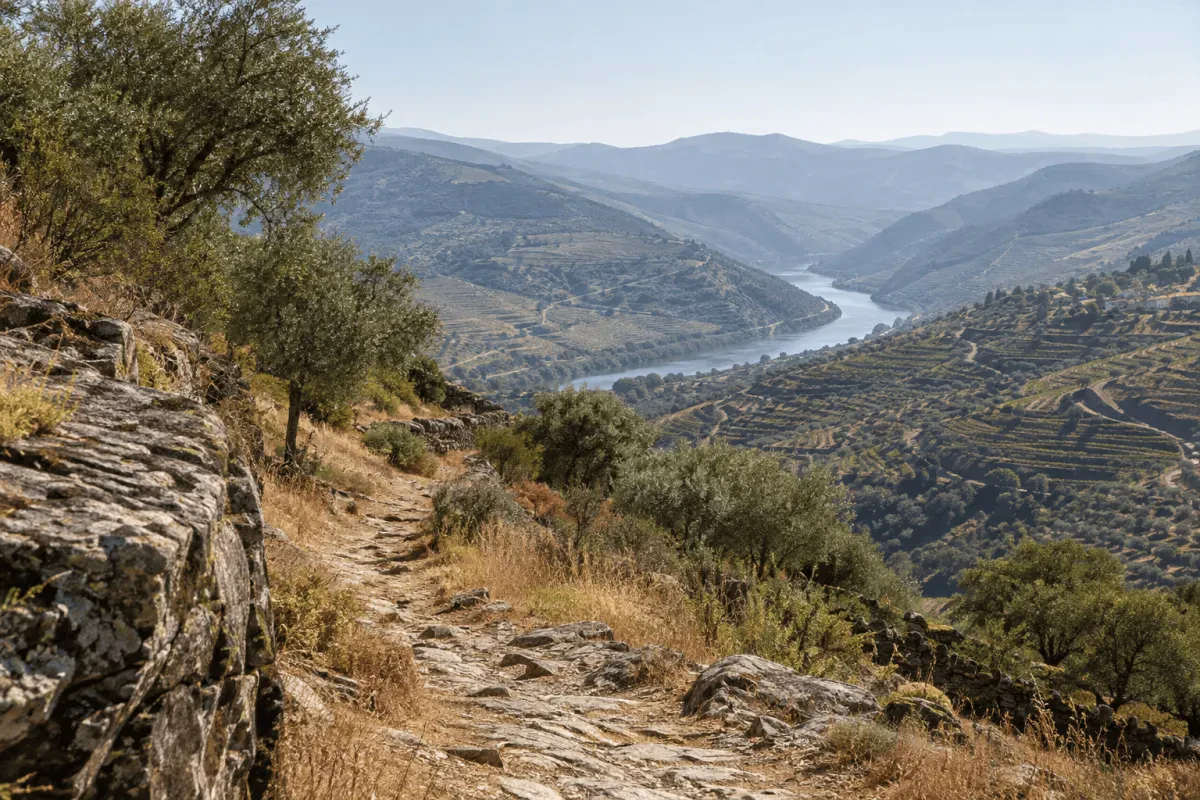
The most important decision is made before leaving Torre de Moncorvo: choose a site and request a visit. The engravings do not function like a monument where you arrive, park and go in. The three routes open to the public are guided, include travel by off-road vehicle from a meeting point and have daily visitor limits.
The Côa Parque Foundation advises booking in advance. The wording matters: the official information recommends booking to guarantee a place, but does not present it as a general obligation. In practice, relying on a last-minute opening is an unnecessary risk, especially because the site, natural light and the visitor's physical ability all affect the choice.
Book first, then plan your day
- Choose the site based on the walking route, not just its name.
- Check the official “Guided Visit to the Park” page to confirm the options available on your chosen date.
- In your request, provide the date, site, number of people and a telephone contact, as requested by the Foundation.
- Ask for the reply to identify the time and meeting point in writing. Also ask about any mobility or seasonal restrictions.
- Only then organise the journey from Torre de Moncorvo and the rest of the day's visits.
This final step avoids the most common geographical mistake. Torre de Moncorvo can serve as a base, but Penascosa, Canada do Inferno and Ribeira de Piscos are in the municipality of Vila Nova de Foz Côa. In addition, they do not all depart from the same place.
Which site to choose
| Site | Published route | Indicative duration | Meeting point to confirm |
|---|---|---|---|
| Penascosa | About 600 metres in total, on a wide and mostly flat route; there are stone steps beside the final rocks. | About 1 hour and 30 minutes. | Castelo Melhor Reception Centre. |
| Canada do Inferno | About 800 metres in total, along a narrower trail with some changes in elevation. | Between 1 hour and 30 minutes and 2 hours. | Côa Museum. |
| Ribeira de Piscos | About 2.2 kilometres in total, on a route classified by the Foundation as medium to high difficulty. | About 2 hours and 30 minutes. | Must be confirmed directly. The specific page mentions Muxagata in the opening text, but lists the Côa Museum in another field on the same page. |
As an editorial choice, Penascosa is the most sensible option for a first visit or for anyone who prefers less walking. Canada do Inferno offers a still relatively short route and adds the interest of being the place where the first rock that triggered the modern discovery of the group was identified. Ribeira de Piscos should be reserved for those looking for a longer walk and physically able to complete it without rushing. Its official page also notes that it is unavailable in summer because of the temperatures, so seasonal availability should be confirmed when booking.
The Foundation distributes visiting times according to the way light falls on the rocks: the published information associates Canada do Inferno and Ribeira de Piscos with the morning, and Penascosa with the afternoon. This helps explain why not every combination is possible. If you want to visit two sites on the same day, first ask the Foundation for a specific proposal.
How to fit the visit in from Torre de Moncorvo
Set aside half a day for a single site and leave plenty of time before the stated hour. The meeting point may be the Côa Museum, Castelo Melhor or another location expressly confirmed by the organisers. Do not use only “Côa Valley” as your navigation destination and do not assume that all participants meet at the museum.
In Torre de Moncorvo, place the urban heritage in the other part of the day or on a separate morning. The Minor Basilica of Nossa Senhora da Assunção and the Misericórdia Church of Moncorvo make sense as part of the same walk through the centre. The Museum of Iron and the Moncorvo Region deserves time of its own, rather than a rushed visit before the meeting for the engravings.
The context needed to look at the rocks
The value of the Côa lies not only in the age of the figures. UNESCO describes hundreds of panels and thousands of animal representations engraved outdoors over several millennia. Heritage chronology places the main cycle between the Upper Palaeolithic and the end of the Magdalenian or Epipalaeolithic, approximately between 22,000 and 8,000 BC.
The Portuguese sites were inscribed on the World Heritage List in 1998. In 2010, the designation was expanded to include Siega Verde in Spain. This sequence explains why the visit is controlled and interpreted by a guide: this is not a reproduction in an exhibition centre, but archaeological surfaces preserved in the valley itself.
Do not expect all the figures to be immediately legible. There are fine incisions, overlapping motifs and panels whose interpretation depends on grazing light. Specialist guidance and times chosen according to the light are part of the experience, not just logistics.
What to bring and what to confirm
Access is along dirt tracks and the routes have little shade. The Foundation recommends comfortable footwear and clothing; in hot periods, a hat, water and sun cream. In rainy weather, it advises bringing waterproof clothing.
- Confirm the site, time and meeting point in the Foundation's reply.
- Check which walking route is suitable for the person with the least mobility in the group.
- Check the official page again close to the date for times, prices, availability and any restrictions.
- Bring water even for a short visit.
- Do not schedule a tight programme in Torre de Moncorvo immediately before or after the route.
The best plan is not the one that tries to fit in the most sites. It is the one that chooses a route compatible with the group, arrives at the right place in good time and leaves enough time for the guide to make visible marks that, without context and suitable light, might go unnoticed.
Mentioned Places
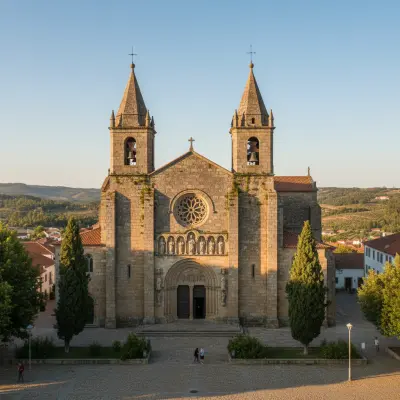
Basílica Menor de Nossa Senhora da Assunção
Torre de Moncorvo
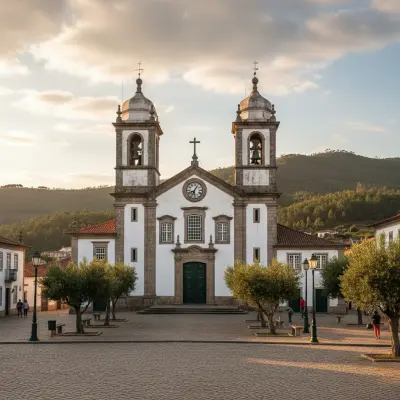
Igreja da Misericórdia de Moncorvo
Torre de Moncorvo
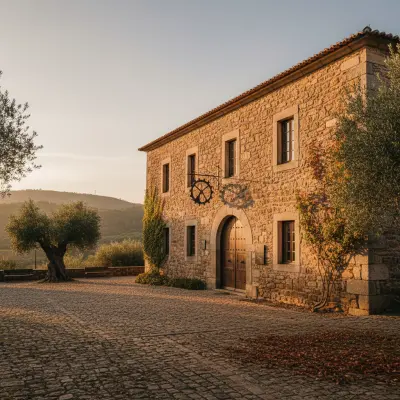
Museu do Ferro e da Região de Moncorvo
Torre de Moncorvo
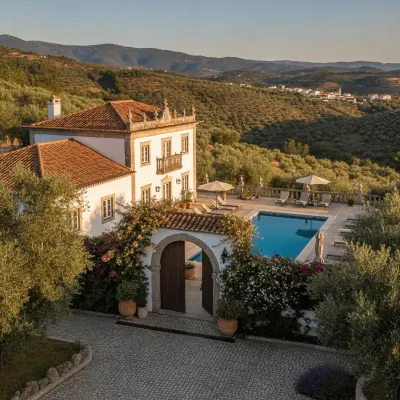
Quinta das Aveleiras
Torre de Moncorvo
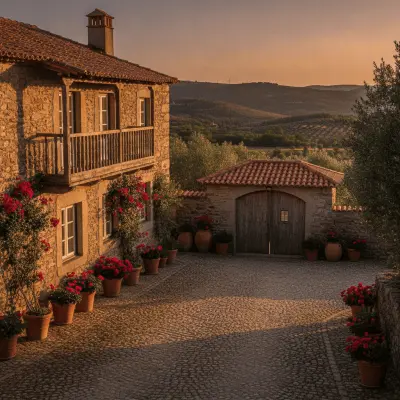
Casa de São Luís - Turismo Rural
Torre de Moncorvo
