Amarante After Dark: Bars, Music and the Tâmega
Amarante has no clubs and no headline DJs, just a lit-up bridge, riverside terraces and bars where nobody's in a rush to leave. This is the honest guide to drinking well in a town that never got the memo it was supposed to impress anyone.
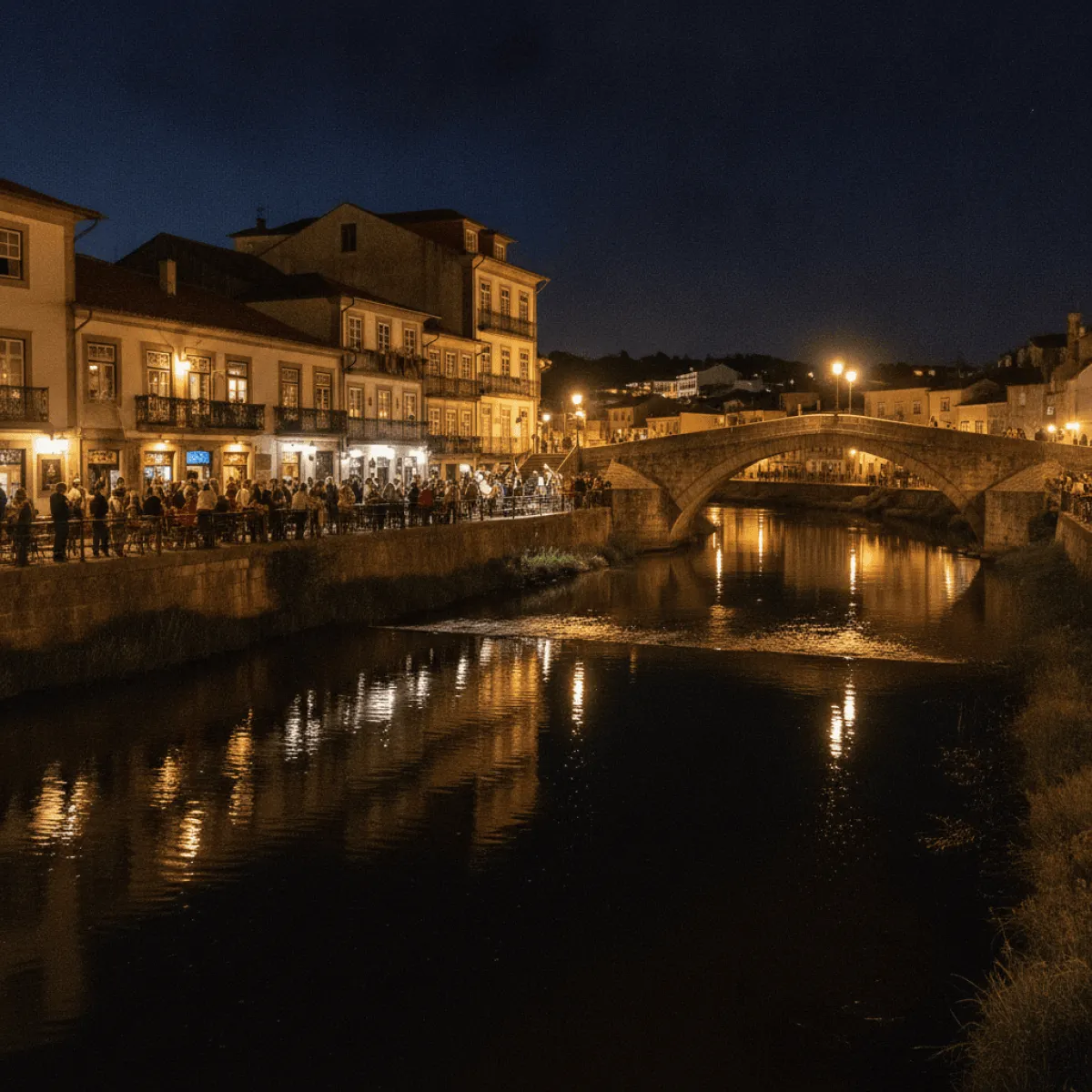
Nobody goes to Amarante to dance until five in the morning. Let's get that out of the way. If you want serious clubbing, book a room in Lisbon or Porto. But writing Amarante off as a town that shuts down at sunset is as lazy as assuming the Tâmega river is just there for photos. Nightlife here is a different animal: slower, riverside, built around terraces, well-poured drinks and conversations that run long because nobody's in a hurry to leave. And, on the right summer night, actual live music.
The river as living room
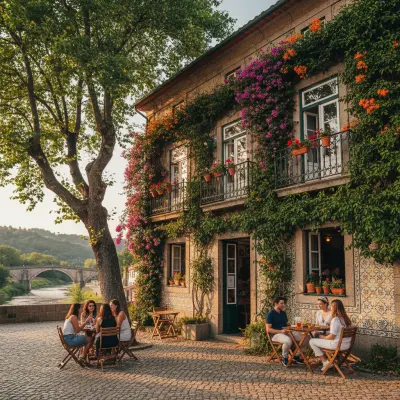
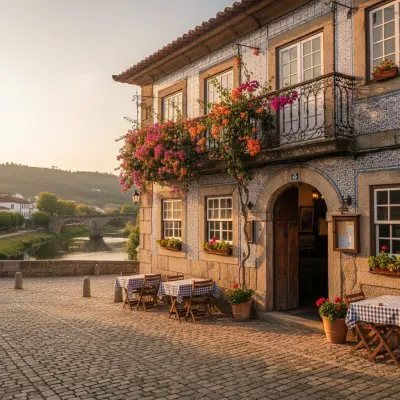
The São Gonçalo bridge is the gravitational center of any night out in Amarante, and it's the reason the town has one of the best natural stages in northern Portugal. Right on the water, with the bridge lit up and the old monastery behind it, Torre Jardim Bar figured this out early: tables facing the river, simple cocktails done properly, and that rare feeling of sitting in a postcard spot without feeling like a tourist. Go in the late afternoon, catch the light shifting over the water, and stay for that first drink. This is Amarante at its most convincing.
If you'd rather be on the water than beside it, spend the afternoon before your night out rowing. The traditional boat experience on the Tâmega is the most honest way to understand why locals treat the river like private property: arriving at a bar by boat always beats walking in.
Where to actually drink
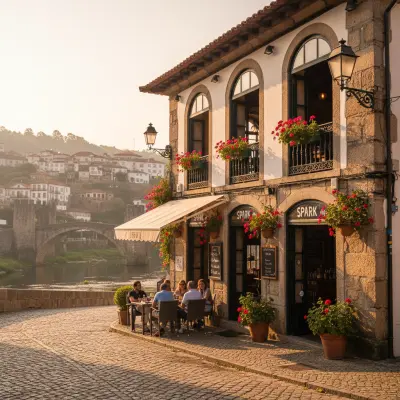
Away from the riverfront, Spark Bar is the answer for anyone who wants less postcard and more neighborhood bar, the kind of place where the bartender already knows your order before you sit down. It works equally well as a quick beer at seven or a proper long night of drinks and talk, no dress code, no pretense. Compare the two: Torre Jardim Bar plays the view-and-craft-cocktail card, Spark Bar plays the proximity-and-informality card. On a Friday, do both: start at one, finish at the other.
On the live music question, let's be honest: Amarante doesn't run a weekly concert calendar the way a capital city does. What it has are one-off nights, mostly between May and September, when bars and terraces bring in acoustic acts, low-key DJs or local bands to fill out the weekend. There's no guarantee a band is playing on any given night; there's a decent chance that on a summer Saturday, something is happening somewhere between the bridge and the streets around it. Check locally before planning a trip around one specific gig.
The one festival that changes everything: São Gonçalo
If there's one moment when Amarante trades quiet for full-blown celebration, it's during the São Gonçalo festivities, usually in the first week of June. It's the town's best-known religious festival, famous for its centuries-old tradition of phallic-shaped cakes sold at market stalls, plus street music and a fairground atmosphere that couldn't be further from the rest of the year's calm. This isn't bar-hopping nightlife, it's an entirely different scale: packed streets, processions, an open-air party. Show up during that week and be ready for a much louder Amarante than the one described here.
Eat before (and after) you go out
Nobody should head out for the night in Amarante on an empty stomach, and the town doesn't give you an excuse to. Pobre Tolo is the right call for a long dinner before hitting the bars: unfussy Portuguese cooking, generous portions, the kind of meal that sets you up properly for a night of drinks. Get there early, between 7:30 and 8:30pm, if you want a table without waiting, because it fills up fast on summer weekends.
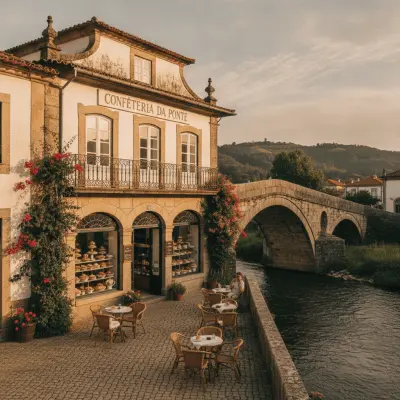
And for the morning after, or as a sweet finish to a night that ran long, don't leave Amarante without stopping at Confeitaria da Ponte. The region's convent pastries, foguetes and papos de anjo among them, are a big part of why Amarante punches above its weight gastronomically. A coffee and one of these, with the bridge in view, is the perfect cure for a mild hangover.
What to do before the sun goes down
A good night usually starts with a good day, and Amarante has an easy way of filling daylight hours. For anyone who wants to move, the Tâmega Ecopista cycling tour, run by Amarante Trilhos, follows the old railway route along the river, through green landscape and old bridges. You arrive back genuinely tired, genuinely hungry, and perfectly primed for dinner at Pobre Tolo and the drinks that follow. It's the right combination for anyone who wants an active day before a slower night.
Getting there and what it costs
Amarante is roughly 45 minutes to an hour by car from Porto via the A4 motorway, and it slots easily into a wider road trip around the north. Regular buses connect the two cities, but always check schedules locally before you plan around them, especially if you're relying on the last bus back at night. A drink at one of the riverside bars runs about 4 to 7 euros; a full dinner at Pobre Tolo, with wine, typically comes to 15 to 25 euros per person. This isn't an expensive town, which only strengthens the case for a longer, lazier night than you'd have anywhere pricier.
If you're building out a bigger loop through the north, Amarante pairs naturally with a side trip to Braga, whether that's the town's regular cultural scene, covered in this guide to Braga, or specifically Holy Week in Braga, one of the most intense religious celebrations in the country. And if Porto is your base, this guide to the best day trips from Porto rightly gives Amarante its own spot on the list.
The truth about Amarante's nightlife
Don't come to Amarante looking for an Ibiza night. Come because there's something genuinely satisfying about drinking a cocktail with your feet almost in the water, hearing the echo off the bridge, and not having to shout to talk to the person across the table. Amarante's nightlife doesn't compete with anyone, it just exists on its own terms, and maybe that's the whole point: in a world where everyone is chasing the next hyped-up city, there's a certain luxury in finding one that never got the memo that it was supposed to be impressing anybody.