24 Hours in Amarante: A Day Lived Like a Local
Amarante is not a city you rush through in an hour between stops. It's a river town, with convent pastries still warm on the counter and a bridge that separates hurried tourists from those who actually get it. This is the itinerary for the latter.
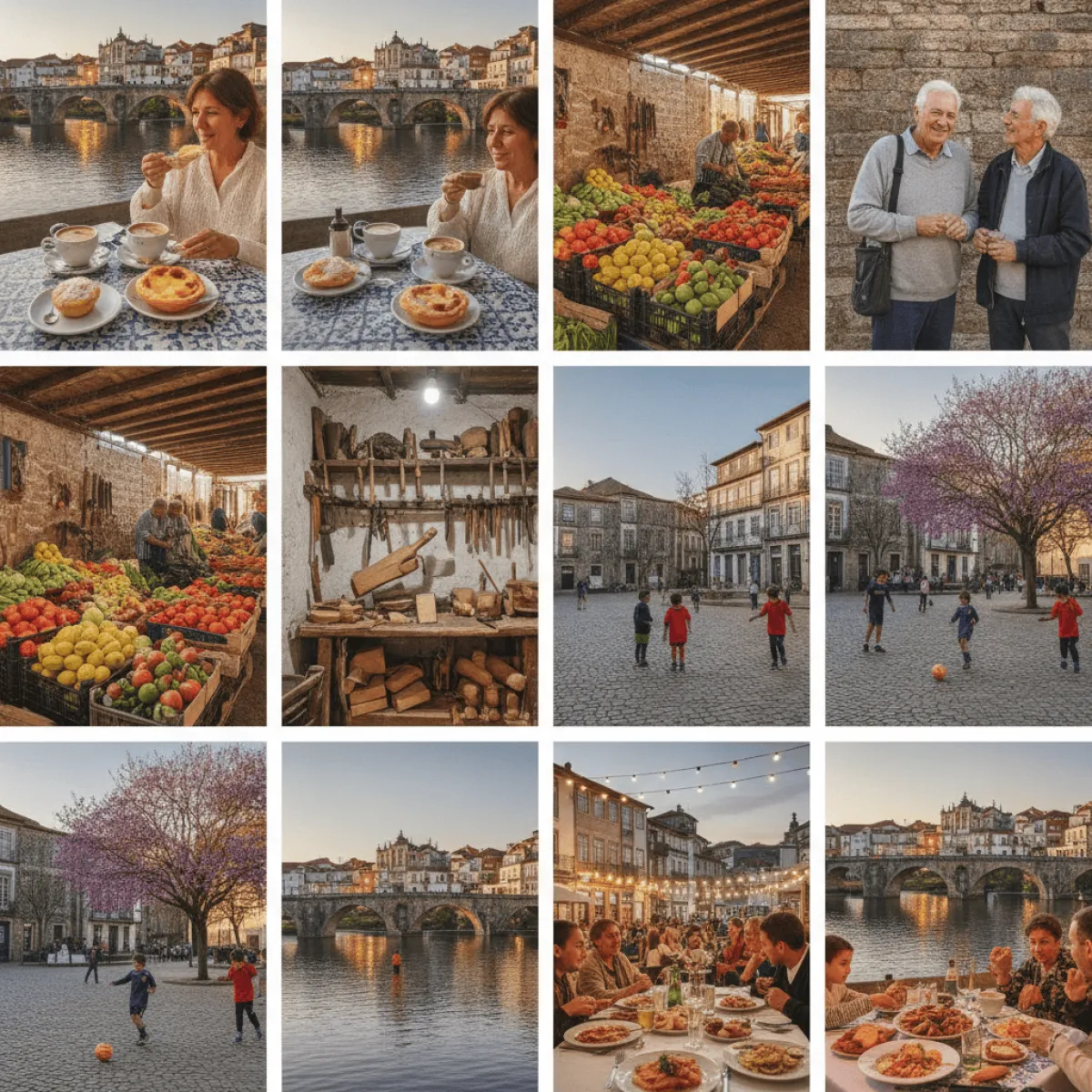
Amarante is not a city you rush through. It is a river town, built around a bridge, and the Tâmega sets the pace for everything that happens on its banks. Anyone arriving from Braga or Porto thinking they can "tick off" Amarante in an hour between stops is doing it wrong. Give it a full day. Start early, finish late, and let the river dictate the route.
7:30am. The breakfast that justifies the trip
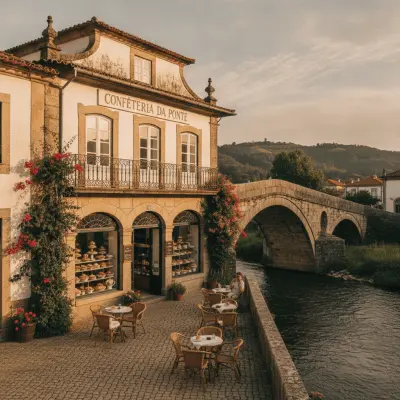
Skip the generic coffee on the main square. The first stop of the day, no exceptions, is Confeitaria da Ponte, right by the deck of the São Gonçalo bridge. Amarante is convent-sweets territory, and this is where you understand why: papos de anjo and foguetes, pastries with names as cheeky as the city itself, come off the counter still warm at this hour. Order a short coffee and a papo de anjo, sit on the terrace if the weather allows, and watch the city wake up slowly across the water. There is no rush, and that absence of rush is exactly what separates a visitor from someone who just passes through.
The bridge before the crowds
After coffee, walk across the bridge. It is short but it is the geographic and symbolic heart of the city: Portuguese troops held the line here against the Napoleonic invasion in 1809, and it is from here that you get the classic Amarante photograph, granite houses with wrought iron balconies leaning over the water. At 8am there are no tourists with selfie sticks yet, just fishermen and people heading to work. Take advantage.
10am. The river, but slow
If one experience sums up Amarante, it is being on the water, not just next to it. The traditional boat experience on the Tâmega is exactly that: a calm ride down the river, no engine rushing the moment, seeing the city from an angle most visitors never get. It is the kind of thing that sounds touristy on paper and turns out to be, simply, relaxing. Book ahead, especially on summer weekends.
For those who would rather pedal than float, the alternative is just as good: the cycling tour on the Tâmega Ecopista with Amarante Trilhos follows the old railway line along the river, flat, shaded for much of the route, and perfect for getting out of the city center without really leaving town. You don't need to be an experienced cyclist. You do need time, and that is what this itinerary assumes you have already decided to make.
1pm. Lunch without ceremony
By half past noon, your stomach is asking for something more substantial than pastries. The obvious, correct choice is Pobre Tolo. The name is a friendly provocation, the atmosphere is unpretentious, and the food delivers what you want from a solid northern Portuguese restaurant: generous portions, direct flavor, no unnecessary flourishes. This is not the kind of place where you go to photograph the plate. It is the kind of place where you go to eat well and leave satisfied, which, let's be honest, is what most trips actually need.
A note on the wine
Amarante sits on the border between the Douro and the Minho, and that shows up on the wine list of practically every decent restaurant in town. A crisp vinho verde in summer, a fuller-bodied Douro red in winter. Ask the waiter what they recommend that particular day, there is no shame in it, and it is usually the surest way to get it right.
3pm. A deliberate pause
After lunch, resist the urge to cram the afternoon with one more museum, one more church, one more thing to "see". Amarante has the São Gonçalo convent and church, with its quiet cloister, and it is worth a short, unhurried visit. But the real lesson of a full day here is learning to do nothing for an hour. Sit on a bench by the river, watch the afternoon light shift on the water, and let your body digest both lunch and the busy morning.
5pm. Golden hour at Torre Jardim
As the afternoon winds down, climb up to Torre Jardim Bar. The name gives it away: it is a bar with a garden and a view, and it is exactly the right spot to catch the golden light falling over Amarante's rooftops at this hour. Order a chilled glass of vinho verde, or a beer if you want something simpler, and take your time. This is, without exaggeration, one of the best half hours you can spend in the city, and it costs the price of a drink.
9pm. Light dinner, quiet night
Amarante is not Lisbon or Porto: there is no sprawling nightlife scene here, and that is a good thing. After a full day of river, bridge, and food, a lighter dinner, maybe a soup and a small plate at a local café, is enough. Save some room for the last stop of the day.
10:30pm. Closing the night at Spark Bar
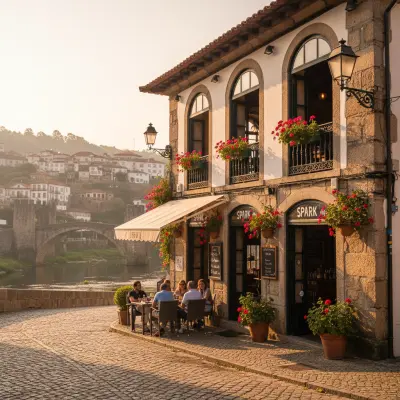
To end the day like an actual local, not like a tourist who calls it a night at nine, stop by Spark Bar. It has more energy than most bars in the city, good for a last drink, conversation, sometimes live music depending on the night. It is not a sophisticated spot and it does not pretend to be. It is simply where Amarante has its last round before bed.
Getting there and what it costs
Amarante sits about 60 kilometers from Porto, roughly an hour by car via the A4, and it makes an excellent day trip option, as we noted in another piece on the best day trips from Porto. But as this itinerary makes clear, a full day here pays off far more than a quick stop.
- Breakfast at Confeitaria da Ponte: 3 to 5 euros
- Boat ride or cycling tour: prices vary, book ahead and check locally
- Lunch at Pobre Tolo: 12 to 18 euros per person, wine not included
- Drink at Torre Jardim: 3 to 6 euros
- Night at Spark Bar: depends on how many rounds
Anyone looking to extend the trip could pair Amarante with Braga, especially around Easter: our essential guide to Holy Week in Braga 2026 helps plan that combination, and there is a fuller portrait of the city in our guide to Braga. But that is a plan for another day. Today, the river, the bridge, and the papos de anjo already gave you plenty, and it was worth every hour.