Wine Tasting at Quinta do Vallado, Peso da Régua
Quinta do Vallado sits four kilometres from Régua station, a ten minute taxi ride, with guided visits and a five wine tasting from 35 euros. In summer take the 11am slot: the cellar sits at 17 degrees while it is pushing 35 outside.
A serious estate four kilometres from the station
The Douro has a scheduling problem in July and August. Between two and five in the afternoon, the south facing slopes hold heat like the wall of an oven, and any winery visit booked for that window turns into an endurance test with a glass in your hand. Quinta do Vallado solves this the easy way: it runs an 11am session and its cellar is cold. It is the first place I send anyone asking where to taste wine in Peso da Régua without joining a forty seat coach circuit.
Vallado sits in Vilarinho dos Freires, where the Corgo river meets the Douro, about four kilometres from Régua train station. That detail matters more than it sounds. It is one of very few big name estates you can reach in a ten minute taxi ride, with no rental car and no organised excursion. The property dates from 1716 and was tied to the family of Dona Antónia Adelaide Ferreira, the woman who effectively shaped the modern Douro. If you want context for what you are looking at, read our guide to the Douro's lodges in Peso da Régua first. The visit lands differently when you understand why the buildings are shaped the way they are.
What the visit actually involves
The standard visit runs about an hour and fifteen minutes and follows the same structure every time, which is a good sign. Somebody thought about the sequence.
- Welcome and history: starts at the old house, with the family story and an explanation of the two vineyard holdings, the Corgo estate here and Quinta do Orgal out in the Douro Superior.
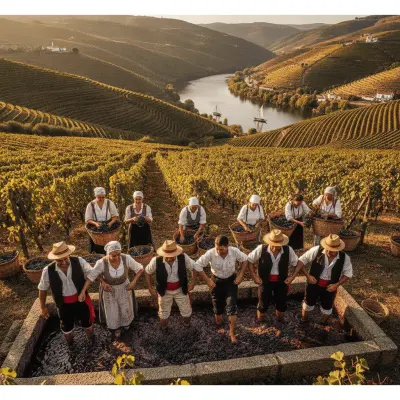
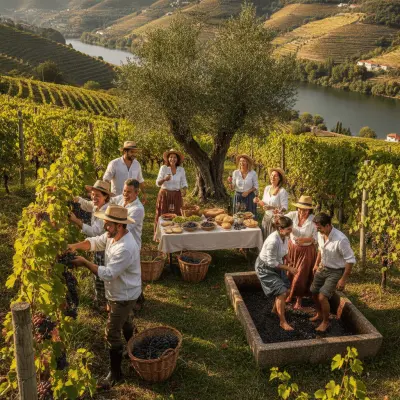
- Outdoor walk: the section that separates Vallado from generic winery tours. You get terracing systems, the difference between old field blend plots and modern plantings, and a view down to where the Corgo joins the Douro.
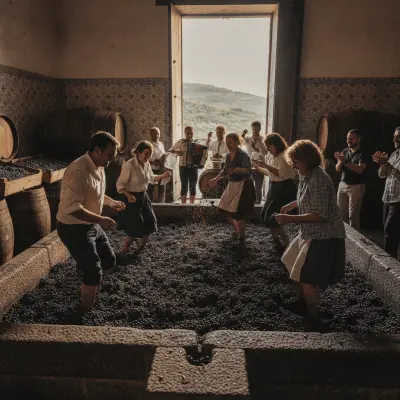
- The winery: the newer concrete building set into the hillside, with lagares and vats. This is where the wine calendar clicks into place and where you understand why everything is silent in August, waiting for September.
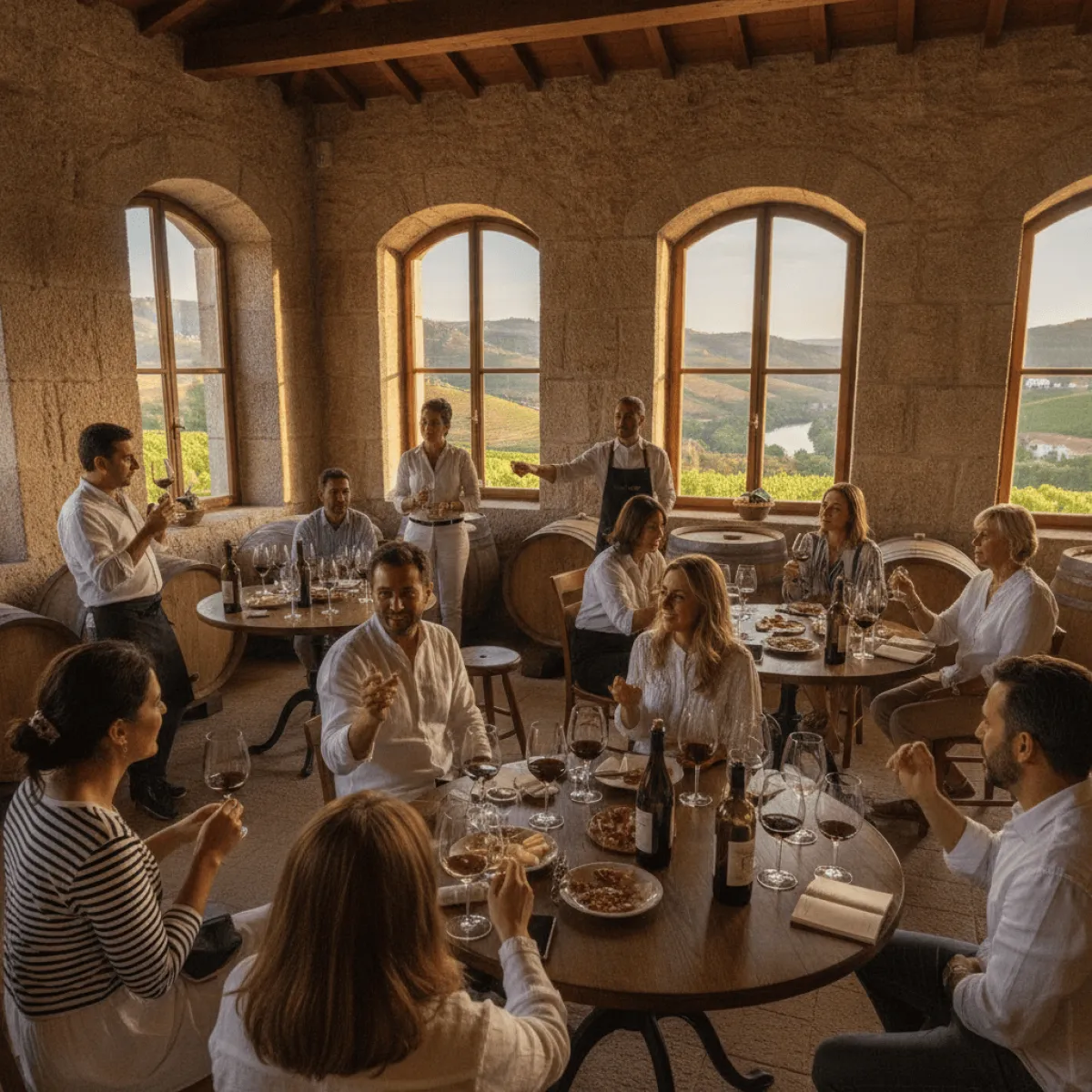
- The tasting: five wines, seated, unrushed. The line up shifts with vintage and stock, so confirm directly with the provider if you want a specific bottle poured.
The best moment is not the tasting. It is the pause outside, glass still empty, when the guide points at one specific parcel and explains why that slope produces something different from the slope two hundred metres away. After that, the five glasses stop being five glasses and start being an argument you can follow.
The second thing that surprised me is how good the guides are. Many have studied winemaking and they will not brush off a technical question with a brochure sentence. Ask about aguardente percentages in fortification, about the real difference between a 10 and a 20 year tawny, about irrigation in drought years. You will get a proper answer. Asking questions is the whole difference between a decent visit and a forgettable one.
Times, prices and what to book
English language visits run at 11:00, 14:30 and 16:30. Portuguese sessions are at 12:00, 15:30 and 17:30. The guided tour with a five wine tasting starts at 35 euros per person. There are also private and themed two hour tastings, built around iconic wines or old Ports, priced around 200 to 250 euros per person for small groups with advance booking. Two hour workshops on tasting, blending and viticulture are available with a minimum of four people, and wine lunches and dinners can be arranged ahead.
Book. Summer sessions fill, particularly the mid morning English slot, and turning up unannounced in August means standing in the car park. Reservations go through quintadovallado.com, by email to enoturismo@quintadovallado.com, or by phone on +351 254 323 147.
My pick in summer is the 11:00 session. You are out by 12:15, hungry, ahead of the worst heat, and with the whole afternoon still available.
Getting there
By train: the Douro line drops you at Régua station and there is a taxi rank right outside the main entrance. The fare to Vallado is roughly 15 to 20 euros each way and takes about ten minutes. Agree a return time with the driver, or ask the estate to call one, because flagging a taxi on that road does not happen.
By car: the estate is signposted and shows up correctly on Google Maps and Waze, with parking on site. Obvious warning applies: five wines and winding Douro roads do not mix. Either spit (there are spittoons and nobody thinks less of you) or bring someone who is not tasting.
Walking is technically possible, around 45 minutes, but at 38 degrees with no shade it is a bad plan. If you are watching your budget, our Peso da Régua budget guide is useful for deciding where the money is worth spending.
What to wear and bring
- Closed shoes. Cellar floors get hosed down and there are steps and hoses underfoot. Flip flops are a mistake.
- A light layer. It is 35 degrees outside and around 17 in the cellar. That swing catches people out constantly.
- Hat and water. The outdoor section is in full sun, no exceptions.
- No strong perfume. It wrecks the tasting for you and for whoever is sitting beside you.
- Space in your bag. The shop carries bottles that never reach a supermarket shelf, and cellar door pricing is fair.
Before and after
Fill the early morning with the Régua market crawl: seasonal fruit, cheese, presunto for the road. Lunch afterwards splits into two moods. For a view and a genuinely serious wine list, Castas e Pratos, set in the old railway warehouses. For honest food with no staging and a kind bill, Tasca da Quinta. If the afternoon still has legs, check the day trips worth taking from Peso da Régua, since Pinhão is half an hour away by train and the ride itself earns the ticket.
One last piece of advice: do not sandwich Vallado between two other wineries in the same day. Three tastings in eight hours is too many and by the end nobody remembers anything. One properly done morning visit, a slow lunch and an afternoon of doing very little by the river is, honestly, the best summer day Régua has to offer.