Serra da Estrela Trails from Seia: When to Go
In Seia, the question everyone asks at the tourism office is always the same: what time should you start the trail? The answer changes with the season, but it's never after noon.
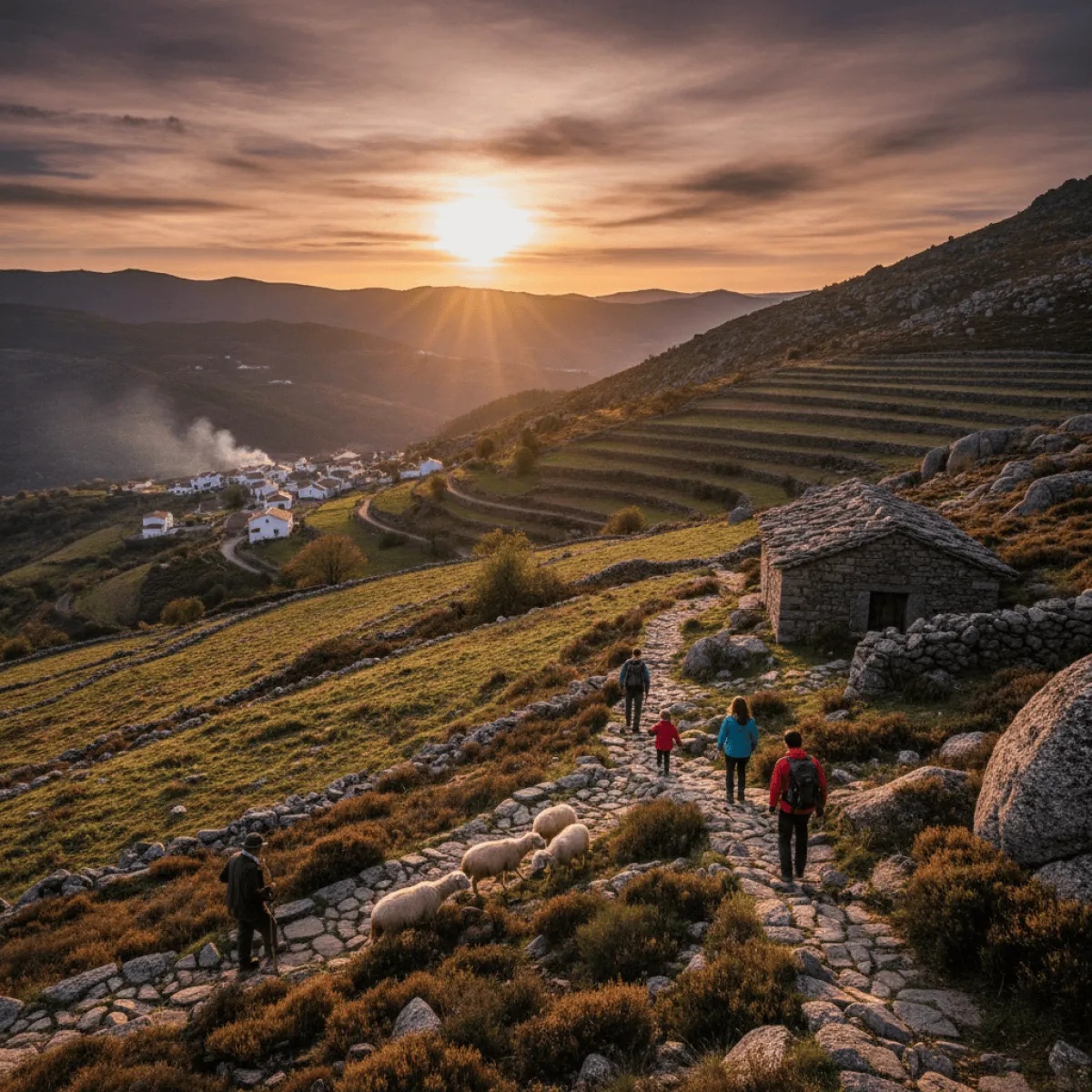
There is a question the staff at the Seia tourism office hear every day between June and September: "what time should I start the hike?" And there is an answer they almost never want to give, because it sounds harsh to someone who has already booked the hotel and bought new boots: six in the morning, or don't bother. Serra da Estrela does not forgive people who show up at noon thinking this is a gentle stroll. The granite here heats up seriously, shade above 1200 metres is scarce, and the temperature gap between the valley floor and Cântaro Magro can hit ten degrees, in the wrong direction if it's winter.
Seia is not just the gateway to the trails. It's where the real logistics of a hike get sorted out: supplies, maps, a proper breakfast, and understanding that this region runs on bread and cheese, not airport croissants.
Before the boots: the breakfast that decides your day
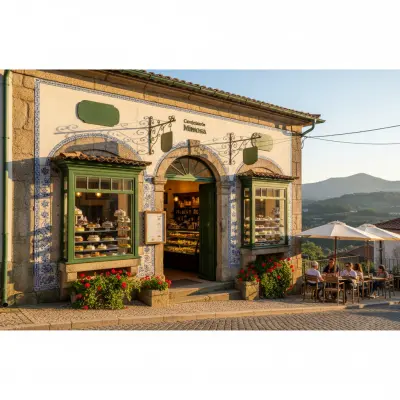
Confeitaria Mimosa sits a few minutes from the centre and is where locals actually eat before heading up the mountain. It's not fancy, and it doesn't need to be: strong coffee, local bread, and a rotation of convent pastries that will carry you through a five or six hour hike with nothing else but water and dried fruit. Arrive before 7am if you want a table and some quiet, because by 8am it fills up with people who had exactly the same plan as you: catching the mountain while it's still cool.
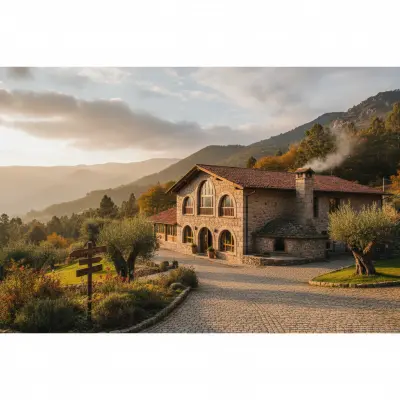
If your route is a long one, stop by the Museu do Pão, not only for the exhibit on the region's bread-making traditions, but because the shop sells corn bread and Serra cheese packaged to go. It's the most honest packed lunch you'll assemble all trip: no unnecessary plastic, no supermarket flavour, and it barely weighs anything.
The temperature windows that actually matter
Forget vague advice about the "best season to visit Serra da Estrela." What matters is the hourly window, not the season, and that changes month to month.
Summer (June to September)
Start before 8am. From noon onward, the exposed granite of the upper plateau turns into a griddle, and the near total lack of shade above Torre makes any midday climb a bad idea, especially in August. Afternoons in Seia regularly push past 30°C, and up on the plateau, with no wind, it feels worse. If you insist on walking after lunch, pick routes with forest stretches, like those crossing the valleys south of Seia, where the oak trees still give real shade.
Autumn (October and November)
The best time of year to walk long and unhurried. Midday temperatures sit around 15-18°C, the air is clean after the first September rains, and the afternoon light over the schist valleys is, honestly, better than any summer postcard. It's also when the region's chestnut trees turn gold, which more than makes up for the shorter daylight hours.
Winter (December to March)
Everything changes here. It's not about comfortable temperatures but about safety: ice at higher elevations, real snow (Serra da Estrela is the only mountain range in mainland Portugal with guaranteed snow in a normal year), and much shorter daylight windows. If you're not experienced on icy terrain, stick to the lower altitude trails near Seia and leave the plateau to people with proper gear. In exchange, it's the season when Seia looks its best in late afternoon, chimney smoke drifting over streets nearly empty of tourists.
Spring (April and May)
Possibly the most unpredictable season: you can get 22°C and clear sun one day, sideways rain the next. Always carry layers, even if the forecast looks friendly. The upside is the vegetation: the valleys fill with wildflowers, a display that isn't exclusive to the coast. If you like that kind of spring landscape, it's worth comparing to what we describe in hiking the Rota Vicentina, though here you trade cliffs for granite and broom flowers for heather.
Where to sleep to catch the right hours
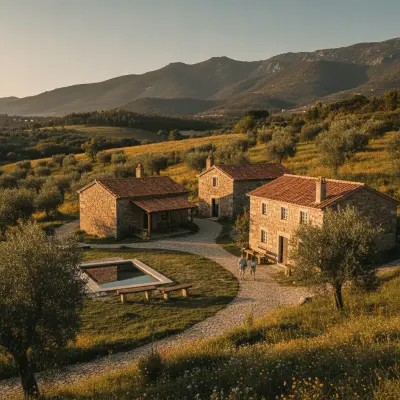
Anyone serious about hitting the mountain at six in the morning shouldn't sleep in the city centre. Chão do Rio - Turismo de Aldeia sits outside the centre, in a village setting that already saves you twenty minutes of driving during the most precious hour of the day, the one before sunrise. It's genuine rural tourism, no resort pretensions, which suits the kind of traveller who's here to hike, not to lounge by a pool.
Back in Seia: what to do after the trail
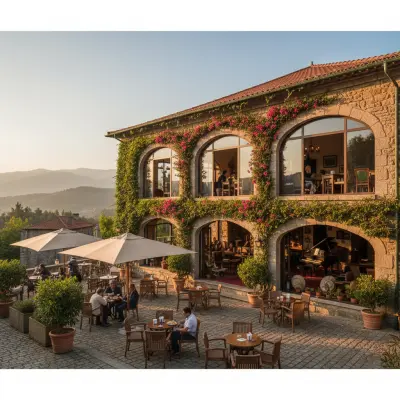
After six or seven hours of walking, nobody wants serious culture, but Café Concerto is the kind of place where you can just sit down, order a cold beer, and let your legs recover before deciding whether you still have the energy to go out for dinner. It's right in the city centre, casual, and has evening programming that varies, so it's worth checking locally what's on during the week of your visit.
Expanding the itinerary beyond Seia
Seia is a good base, but it's not the only one. If your trip runs longer than two days, it's worth pairing the mountain with nearby destinations that skip the obvious. If you like schist villages and don't want to depend on a car the whole time, you can plan the route as described in Covilhã to the Schist Villages: A One-Day Road Trip, an itinerary that works well as a complement to a day or two of hiking from Seia.
For those who'd rather travel without a car but don't want to skip the region, the guide Belmonte by Train: 48 Hours Without a Car shows how combining train and walking is perfectly workable in this part of the Beira. And if your trip happens to fall in August and the idea of Algarve beach crowds sounds unbearable, Fundão in August: The Beaches the Algarve Can't Offer makes the case for freshwater alternatives that are cooler, literally and figuratively, than any beach down south that month.
The practical essentials
- Carry at least 1.5 litres of water per person for a half-day hike, more in August.
- The upper plateau can run 10°C cooler than Seia, even at the height of summer. Pack a windbreaker even if the morning feels warm.
- Check locally on trail conditions before setting out, especially between November and March, when snow or ice can close access points.
- Fuel up in the city before heading up. Petrol stations are scarce above Seia.
- Start early. Always. A trail started at 6:30am in summer beats the same trail started at noon, both in comfort and in safety.
In the end, Serra da Estrela isn't hostile, it's just serious about schedules. Treat it like an important meeting: arrive early, come prepared, and leave the afternoon free for the coffee, the bread, and the beer you'll have earned.