Algarve in September: The Road Trip Stops in Castelo Branco
The sea still sits at 23 degrees, the beaches empty out, and prices drop by up to 40%. For anyone driving, a stop in Castelo Branco, between silk embroidery and a good night's sleep, makes the road to the Algarve as interesting as the destination itself.
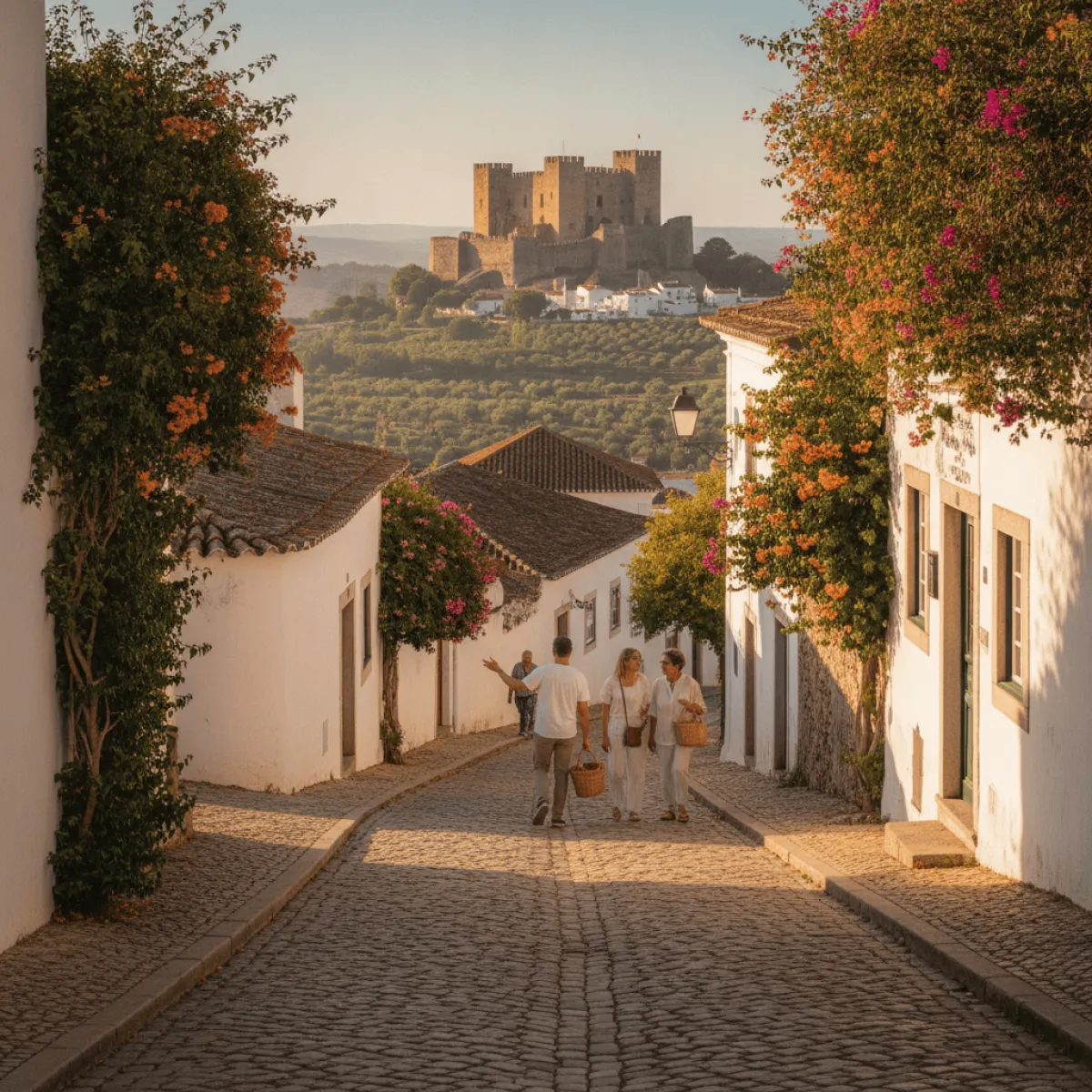
Anyone who has done the Algarve in August knows the drill: queuing for a parking spot in Albufeira at nine in the morning, one towel per square metre in Praia da Rocha, room rates doubling overnight. September fixes most of that. The sea has spent all summer warming up and sits around 23 to 24 degrees, the sun still works for beach days through mid-month, and Portuguese kids are back in school, which pulls a huge chunk of pressure off the sand. It's not a secret among locals, it's just arithmetic.
Why September Is the Right Month
The difference isn't only about crowds, it's about money. Plenty of Algarve hotels drop rates by 25 to 40 percent the moment August ends, and restaurants that had waitlists in July suddenly have a free table at eight in the evening with no reservation. The wind calms down too: the levante that ruins beach afternoons in Sagres and along the Costa Vicentina loses steam in early September, opening up entire flat-water days at spots like Praia da Marinha or Ilha Deserta, just off Faro. Hikers get a bonus as well: interior temperatures, which easily clear 40 degrees in August, start to ease off, making the trails through the Barrocal and Serra do Caldeirão bearable again after ten in the morning.
The Less Obvious Route: A Night in Castelo Branco
Anyone coming from Porto, from Lisbon avoiding the main toll roads, or from Spain via Guarda tends to picture the Algarve as a straight flight into Faro. But there's a more interesting version of the trip for anyone with time and a car: drive down through the Beira Baixa and stop for a night in Castelo Branco before pushing south. It's not an absurd detour, it sits almost exactly halfway for anyone coming from the center or the north, and it's a city most Portuguese only pass through on the way to Spain, which already says something about how underused it is.
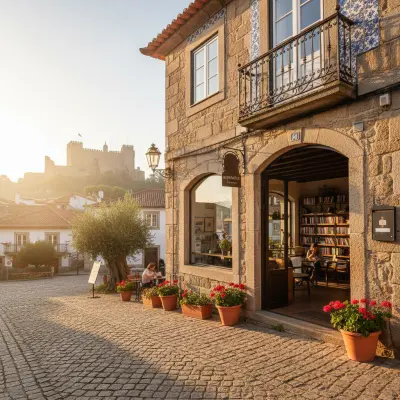
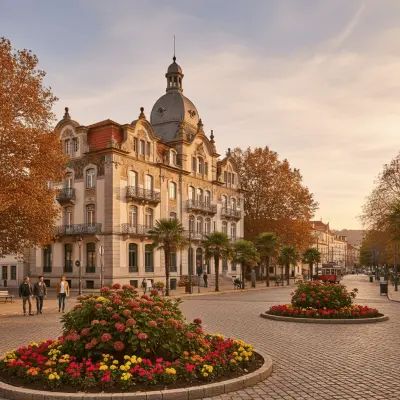
Castelo Branco isn't trying to be the Algarve, and that's the point. It's a city of wide streets, unhurried cafe squares, and a historic center you can walk through in one relaxed afternoon. For anyone who wants a drink out of the hotel at night, Repvblica is a safe bet: the kind of bar that works equally well for one quiet glass or for staying until closing. It's not sophisticated by decree, it's sophisticated because it delivers.
Where to Sleep and Eat in Castelo Branco
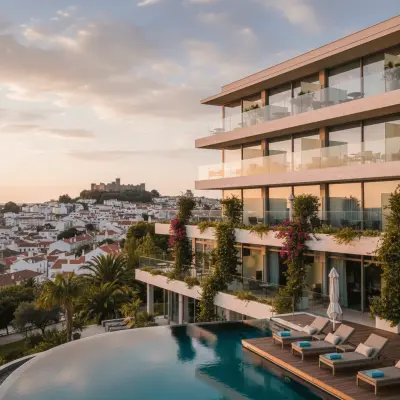
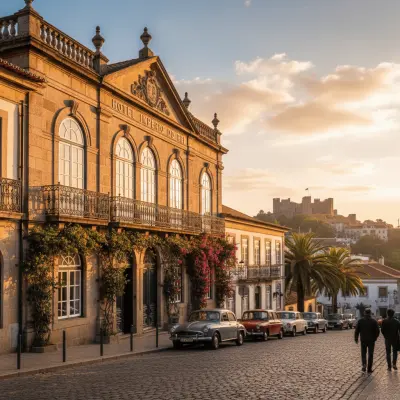
For sleeping, there are options for different tastes and budgets, and it's worth choosing carefully depending on what you're after. The Meliá Castelo Branco is the obvious pick for anyone who wants international predictability: consistent rooms, a pool, good for families who want to arrive, rest, and hit the road early the next day. The Hotel Rainha D. Amélia, Arts & Leisure plays a different game entirely: it's the pick for anyone who wants the stay itself to be part of the experience, built around an arts-driven identity that a lot of generic chains never bother with. For travelers watching their budget, the Hotel Império do Rei does the job without drama: comfortable beds, central location, nothing more than that, but nothing less either.
- Meliá Castelo Branco: for reliable comfort and a pool to cool off before the drive continues
- Hotel Rainha D. Amélia, Arts & Leisure: for a stay with actual personality
- Hotel Império do Rei: practical, central, does what it needs to do
The Embroidery Most Tourists Never See
If there's a reason to justify the stop beyond geographic convenience, it's Castelo Branco's silk embroidery. It's a craft on linen that has existed in the region for centuries and that almost nobody outside Portugal knows about, despite being as elaborate as any more famous embroidery tradition abroad. Anyone with a free morning before continuing south can join a silk embroidery workshop in the historic center, learning the logic behind the stitches and motifs, almost always hearts, birds, and branches, which aren't random decoration: each symbol carried meaning tied to love and nature, passed down from mother to daughter across generations. It's not an activity for anyone wanting a finished piece in two hours, it's for anyone who wants to understand why this craft survived when so many others didn't.
Getting to the Algarve: Beaches Without the Crowds
From Castelo Branco, the road to the Algarve runs smoothly, mostly via the A23 and A2, and in around two and a half hours you swap the granite interior for the pale limestone of the Barlavento. This is where September earns its reputation. Instead of fighting for a parking spot in Benagil at eight in the morning, you can show up at ten and still find one. Cacela Velha, on the Sotavento side, remains one of the few Algarve settlements that resisted uncontrolled construction: a dozen whitewashed houses, a small church, and a view over the Ria Formosa that's worth the stop for the silence alone, something unthinkable in August. Tavira, split by the Gilão river with the barrier islands a short boat ride away, is particularly pleasant in September: restaurants along Rua José Pires Padinha stop having queues and start having actual tables.
For anyone who prefers the Barlavento, Alvor still keeps its fishing village behind the touristy strip, and it's worth walking the docks in the late afternoon to watch the boats come in. Sagres, at the southwestern tip, is where September genuinely feels best: the wind that makes the beach nearly unusable for non-surfers in July and August starts to settle, which leaves Praia do Tonel and Praia da Mareta far more inviting for a normal swim day.
- Praia da Marinha and Benagil: getting there before ten in the morning still matters, even in September
- Cacela Velha: one of the few Algarve stops where silence is still the norm
- Tavira: a walking city, with a riverside table at sunset
- Sagres: September finally brings the wind down to swimmable levels
What It Costs and When to Go
The first half of September still runs close to August prices in many spots, especially near the coast. It's from mid-month onward, once schools have reopened across the country, that prices drop more noticeably: rooms that cost 150 euros a night in August show up for 90 or 100. Car rental rates ease off too, and marinas have more availability for anyone wanting a boat trip to the sea caves without booking a month ahead. Worth keeping in mind: from the last week of September, some beaches start reducing lifeguard coverage, so anyone traveling later in the month should check locally before swimming at less frequented spots.
If September Doesn't Fit
Not everyone can travel in September, and the Portuguese calendar has other dates worth planning around too. If May works better, it's worth looking at our guide to Coimbra's Queima das Fitas, an academic tradition that still surprises anyone who only knows the city for its university and fado tourism. It's a different kind of trip, but just as honest about showing a side of Portugal that doesn't make the brochures.
Either way, the core idea stays the same: the best time to see the Algarve isn't necessarily when everyone else goes. It's when the sea is still warm, the prices make sense, and there's still room to breathe between the beach and the terrace table.