Nazaré: Alcobaça and Batalha Monasteries in Half a Day
Alma Nazaré Tours runs a four-hour trip from Nazaré to two UNESCO World Heritage monasteries, Alcobaça and Batalha, for €60 per person (entrance tickets not included). The best moment: the facing tombs of King Pedro I and Inês de Castro inside Alcobaça's church.
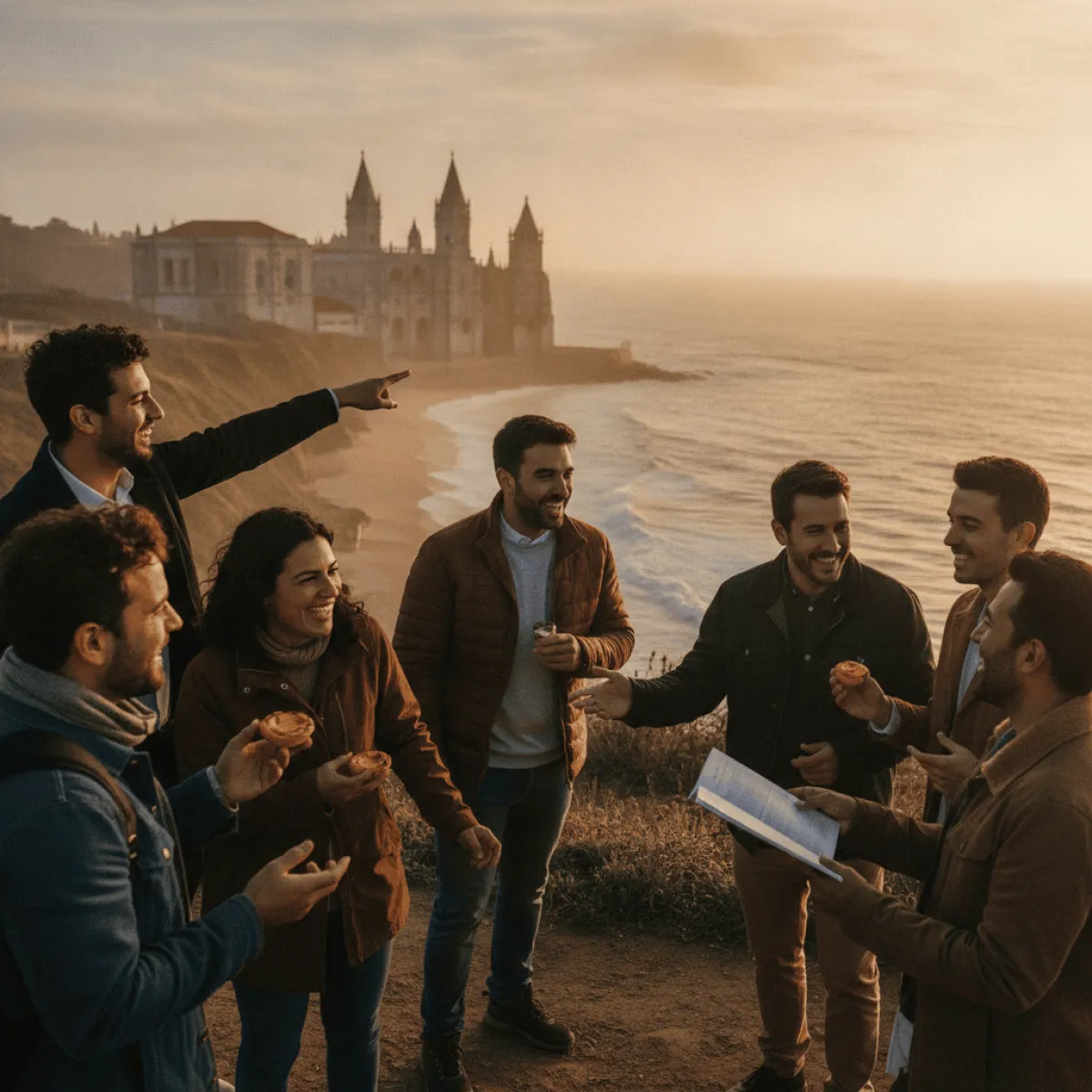
A morning away from the beach
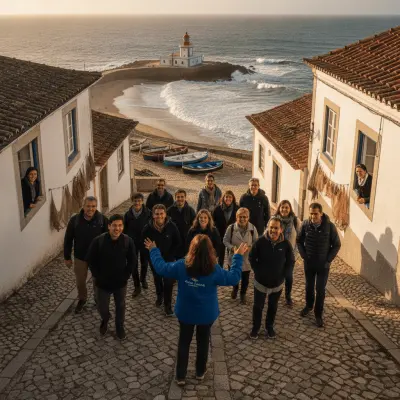
Nazaré runs on giant waves and fish drying in the sun, but half an hour inland sit two of Portugal's most important monuments: Alcobaça Monastery and Batalha Monastery, both UNESCO World Heritage sites. Alma Nazaré Tours, a local operator based on Rua da Fonte Nova in Nazaré, runs a half-day tour that combines both in a single outing, so you don't need to rent a car or figure out regional bus schedules that barely exist for anyone wanting to see both in one day.
I booked through Civitatis, which is where Alma Nazaré Tours lists this specific tour (Batalha & Alcobaça Monasteries Tour), and the process was straightforward: pick a date, confirm availability (a minimum of two participants is required), and get a mobile voucher. If you'd rather deal with the operator directly, you can email almanazaretours@gmail.com or call +351 912 460 967 to confirm the exact pickup time and location, which varies by hotel since Alma Nazaré Tours does door-to-door pickup.
How the tour actually runs
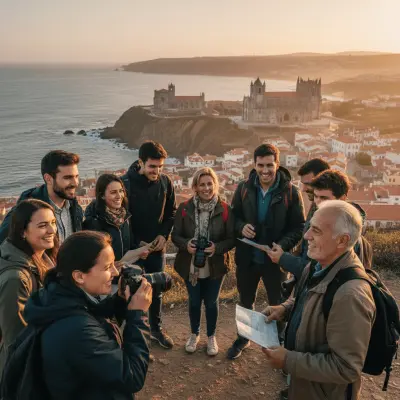
The tour lasts around four hours, hotel pickup and drop-off included, and it runs as a shared group tour by bus or minibus, with an English-speaking guide (Spanish too, if the group needs it). This is not a private tour, so don't expect a personalized pace: the guide follows a schedule to fit both visits in before heading back to Nazaré. The tour itself costs €60 per person and does not include monastery entrance tickets, which you buy on site.
Alcobaça first
The first stop is usually Alcobaça Monastery, founded in the 12th century and one of the purest examples of Cistercian architecture in Europe: bare stone, repeating arches, nothing decorative to distract from the scale of the place. The guide tends to spend the most time on two things: the monastery kitchen, enormous, with a chimney so large you immediately understand why, it once fed close to a thousand monks at the abbey's peak. And the tombs of King Pedro I and Inês de Castro, facing each other across the church, each resting on carved figures at the base. It's the most retold love-and-revenge story in Portuguese history, and according to legend the tombs face each other so the lovers can look at one another for eternity. Seeing them up close is worth the entrance fee on its own.
The ticket isn't included in the tour price: as of 2025 it runs around €15 for adults and €7.50 for seniors, students, and large families. There's also a combined ticket covering Alcobaça, Batalha, and the Convent of Christ in Tomar, valid over several days, which pays off if you're planning to visit Tomar afterward. Confirm the current price at the ticket office directly, since rates have gone up in recent years.
Then, Batalha
The second stop is Batalha Monastery, built to celebrate King João I's victory over Castile in 1385. The architecture here is a different conversation entirely: Gothic gives way to Manueline, and the highlight is the Unfinished Chapels, an open-air section where the stone carving is, literally, left incomplete, abandoned mid-project as a permanent record of ambition that outran the money or the time to finish it. This is the part of the tour that surprises people who don't know the site beforehand: the contrast between Alcobaça's restraint and Batalha's decorative excess tells you more about how Portugal changed between the two monasteries than any explanation could.
Practical tips
- Wear comfortable shoes: you walk a lot inside both monasteries, and the stone floors at Alcobaça can get slippery when it rains.
- No special dress code is required, but covered shoulders and knees are always appreciated in religious spaces, especially in Alcobaça's church.
- Book a few days ahead: the tour needs a minimum of two participants to run, and in low season that can delay confirmation.
- Confirm the exact pickup point with Alma Nazaré Tours after booking, since pickup is done hotel by hotel.
- Bring water, especially in summer: the inside of the monasteries stays cool, but the walk between the bus and the entrance is in full sun.
- Carry cash or a card separately for the entrance tickets, which are paid on site and aren't part of the tour price.
Is it worth it?
Yes, more than I expected going in. Alcobaça alone would justify the trip, but seeing both monasteries in one day, with a guide explaining the historical context between them, makes the sequence click: Alcobaça is the power of the Church in the 12th century, Batalha is the power of the crown in the 15th. That comparison, more than any single detail, is what stays with you after the tour ends.
If you've got time left afterward, the tour usually wraps up mid-afternoon, head back into town and grab a late lunch or a few plates at Sitiado. And later in the day, after that much stone and history, a drink at Zulla Terrace Bar, with a view over the water, is the perfect counterpoint to a morning of churches and cloisters.
If you're building a longer stay around the region, it's worth reading our guide to Nazaré's market before you go, so you know what to bring home after a full day out of town. And if you've still got a free day, Nazaré's wild coast is the perfect opposite of these monasteries: empty beaches instead of carved stone.
One last note: this isn't a tour for anyone who wants to move at their own pace. It's a group, on a fixed schedule, with limited time inside each monastery. But for anyone with only half a day free who wants to see both masterpieces without renting a car or decoding regional bus timetables, this is the simplest way to do it.