Alojamento Escola do Fado
Housed in a former primary school in Vila Fernando, this guesthouse and restaurant is a sanctuary dedicated to Fado and Cante Alentejano. A cultural immersion that pairs traditional Alentejo gastronomy with nights of profound, authentic musical heritage.
Vocal Echoes in a Historic Classroom: The Resonance of Vila Fernando
On the geographical and emotional fringes of the Upper Alentejo, where the landscape strips away artifice to reveal the raw beauty of the plains, lies a project that defies the erosion of time. The Alojamento Escola do Fado is more than just a rural guesthouse; it is an exercise in collective memory. Housed in the Former Primary School of Vila Fernando, about fifteen minutes from Elvas, this establishment preserves the structure where generations once learned to read, transforming the old classrooms into a sanctuary dedicated to the human voice, specifically Fado and Cante Alentejano.
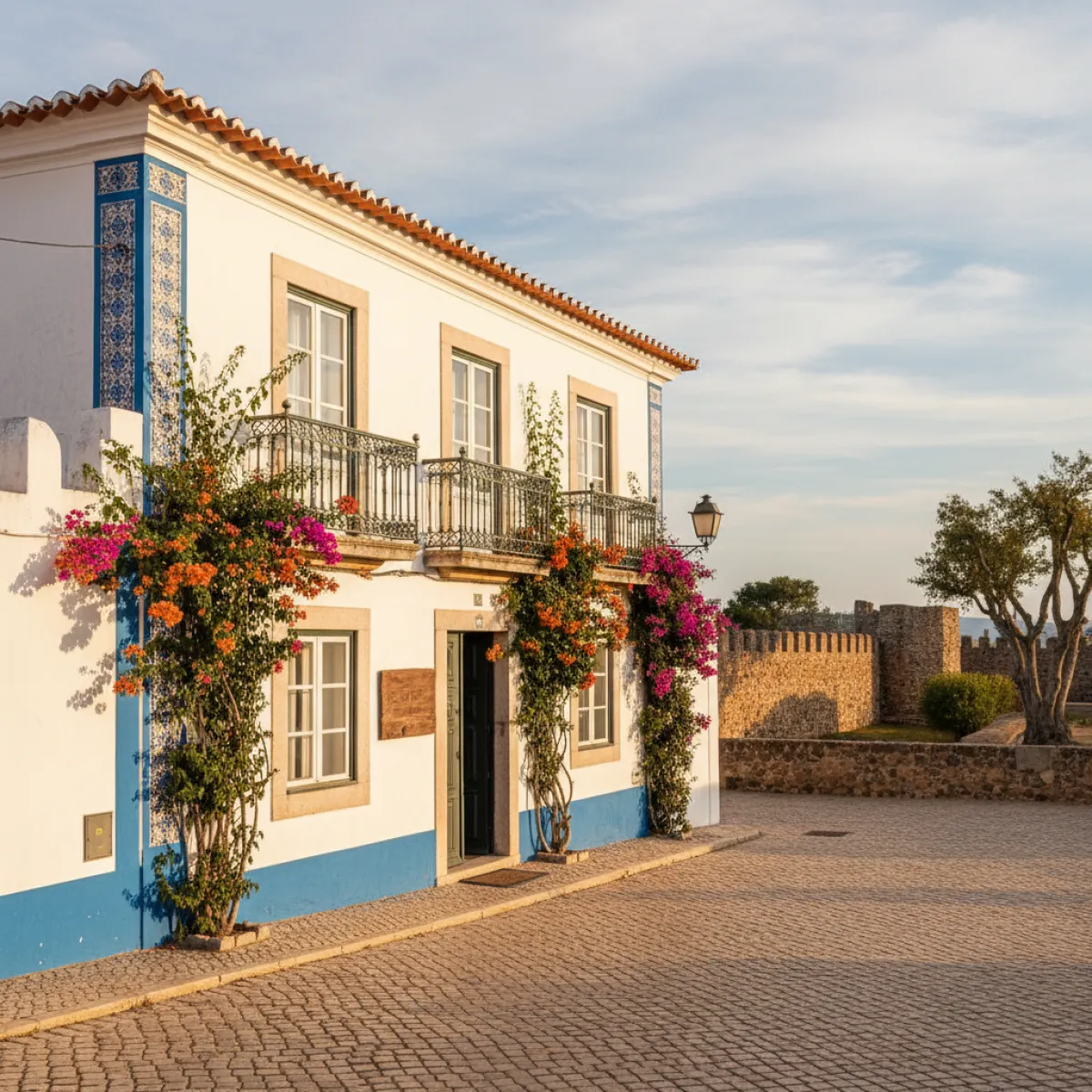
Arriving in Vila Fernando requires embracing the slow pulse of the borderlands. The village, serene with its whitewashed houses, serves as a perfect preamble to the experience within. Upon crossing the threshold of this former school, it becomes clear that the pedagogy of old has yielded to a lesson in living culture. The building's rehabilitation respected the original volumes and sobriety while infusing it with a new soul, where period furniture and iconographic references to Portuguese music create a narrative of continuity.
Gastronomy as a Prelude to Song
The experience at Escola do Fado reaches its zenith during the themed nights of fado and chant. The ritual begins at the table, with a service that honors traditional Alentejo recipes with an elegance devoid of pretension. Here, the kitchen is not a side dish but an integral part of the cultural performance. It is essential to try the Lamb Stew (Ensopado de Borrego), with meat that yields at the mere touch of a fork, or the Migas Gatas, which elevate Alentejo bread to an art form. The flavors are intense, marked by the judicious use of cilantro, garlic, and local olive oil, paired with regional wines that carry the Alentejo sun in every glass.
The transition from dinner to the performance happens organically. As the lights dim and silence settles, the acoustics of the old school reveal their brilliance. There is no need for excessive electronic amplification; the human voice and the intricate plucking of the Portuguese guitar occupy the space with a physical presence that is almost palpable. On these nights, the border’s long silence surrounding the building seems to seep through the windows, intensifying the emotional weight of every verse.
Between Fado and Cante Alentejano
What distinguishes this guesthouse from other Fado venues is its location in the heart of the territory of Cante Alentejano, recognized as UNESCO Intangible Cultural Heritage. It is common for the evenings to begin with the urban melancholy of Lisbon's Fado and culminate in the telluric power of Alentejo's polyphonic chants, sung in unison. This duality reflects the identity of Vila Fernando: a village that, while close to the Spanish border, maintains an umbilical connection to the deepest traditions of Southern Portugal.
For those visiting the region to explore the moats and bulwarks of UNESCO Elvas, the Alojamento Escola do Fado offers a necessary counterpoint. If the city of Elvas is a demonstration of military strength and defense, Vila Fernando is a demonstration of hospitality and artistic vulnerability. It is a place where history is told through melody rather than just stone ramparts.
Resting in the Plains
The accommodation units maintain an aesthetic of simplicity and comfort. The rooms are spacious, taking advantage of the large windows of the former classrooms, allowing the unique Alentejo light to flood the space each morning. The decor is minimalist, favoring natural materials and elements that evoke rural life without sacrificing contemporary comfort. Sleeping here is an experience of natural acoustic isolation, where the only sounds disturbing the night are those of the surrounding nature.
When planning a visit, it is important to understand that this is a destination of immersion. One does not come to Escola do Fado for a quick meal or a fleeting glance. Time is required to absorb the atmosphere and let the spirit of the place reveal itself. The proximity to the Spanish border lends it an aura of transition, where the aesthetics of the border, so characteristic of the local people, manifest in the proud preservation of their customs.
Practical Advice for the Traveler
- Reservations: Essential, especially for dinner and fado nights. Space is limited and demand is high due to the uniqueness of the experience.
- When to go: Autumn and spring are the ideal seasons to appreciate the Alentejo landscape in its full chromatic splendor. Fado nights usually occur on weekends.
- Dress Code: While there is no rigid dress code, a smart casual style is recommended out of respect for the solemnity of the musical performances.
- Location: Vila Fernando is located 12 km from Elvas. Access is via well-paved secondary roads, but caution is advised regarding local wildlife when driving at night.
- Payments: Major cards are accepted, but it is prudent to carry some cash for small expenses in the village.
Ultimately, Alojamento Escola do Fado is a testament to the regenerative capacity of rural spaces. By transforming a school, a place by definition focused on the future, into a space for preserving the past, Vila Fernando offers visitors a lesson on the permanence of Portuguese culture. It is an essential stop for those seeking the authentic Alentejo, far from the mass tourism circuits, where hospitality is genuine and music is the thread that binds the entire stay.
