The parish church hiding a Grão Vasco in the middle of nowhere
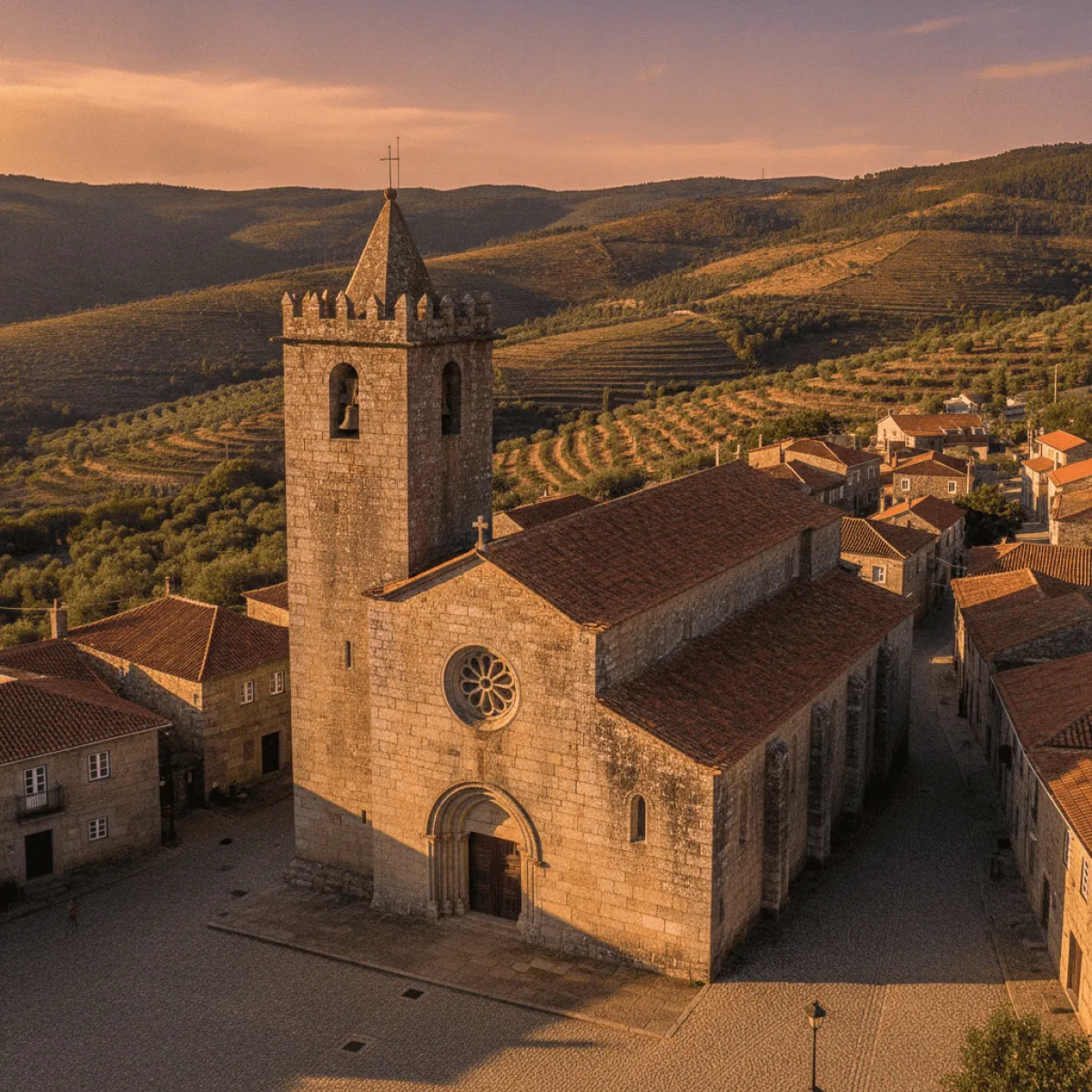
Linhares da Beira is a granite village in the Serra da Estrela, and the parish church, dedicated to Nossa Senhora da Assunção, sits on Largo da Igreja, right below the castle. It's a five minute walk from the main square, up the cobbled path that connects it to the churchyard. There's no dedicated parking, but in Linhares you're never far from a spot to leave the car anyway.
The origins are Romanesque, which already tells you how old this place is, but the building you see today is the result of a 17th century rebuild. That contrast is what makes the visit worthwhile: the structure is Mannerist and Baroque on the outside and inside, yet the memory of the original church still comes through in the simplicity of the floor plan. This isn't a grand cathedral. It's a village church that, at some point, decided to invest heavily in gold and woodwork.
The altars and the paintings attributed to Grão Vasco
The reason this church comes up in any serious conversation about the region's heritage isn't the architecture, it's the interior. The altars are heavily decorated, with gilded woodwork covering nearly every surface of the main retable, and there are paintings attributed to Vasco Fernandes, known as Grão Vasco, Portugal's most important Renaissance painter and the central figure of the so called Viseu School. Having works linked to his name in a parish church of a village with a few hundred residents is, to put it mildly, unusual.
It's worth going in slowly. Natural light coming through the side windows changes throughout the day, and the paintings take on different depths depending on the hour. If you can choose, go in the morning: the light is more direct and helps you make out details on the canvases that otherwise stay lost in the usual dimness of stone churches.
Practical information
- Address: Largo da Igreja, 6360-080 Linhares da Beira
- Price: free entry or symbolic donation (varies, check directly)
- Hours: not available, which in practice means the church may be closed outside mass times. If the door is locked, ask at the village café or the parish council office, someone usually holds a key
- Contact: no public website or phone number, part of the charm and the occasional frustration of visiting small villages
There's no ticket booth, no gift shop, no heavy tourist signage. This is an active parish church, meaning on Sundays it may be reserved for mass and it's not the moment to wander in as a visitor. Dress code: nothing formal is required, but covered shoulders and knees are always appropriate in a place of worship.
How to fit the visit into a day in Linhares
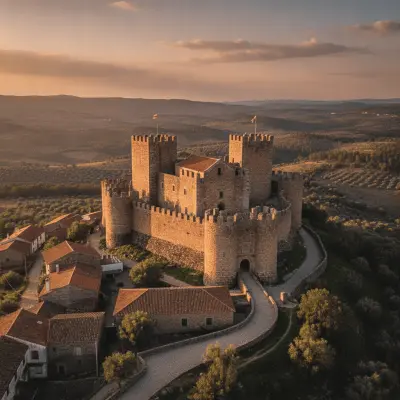
The church is a short walk from the castle, so most people see both in the same morning. After that, the logical move is lunch at Restaurante Cova da Loba, which serves regional food without unnecessary fuss. If you'd rather stay overnight in the village instead of doing everything in one day, the INATEL Linhares da Beira Hotel Rural is the obvious, comfortable choice.
For anyone who wants to understand Linhares beyond the monuments with plaques, the guide Linhares da Beira: The Museum With No Walls or Ticket explains well how the village itself functions as a living museum, and this church is one of the central pieces of that argument. If you have time and legs left, the hiking trails ranked by difficulty and scenery start almost from the village itself and offer another perspective on the valley.
It's not worth visiting Linhares da Beira just for the church. It is worth visiting Linhares da Beira, and within that, not skipping the church. It's a subtle but important difference: this isn't a half day destination, it's one piece of a larger whole that includes the castle, the mountain scenery, and the slow pace of a village that resists turning itself into a stage set.