Setúbal Isn't a Surf Town, and That's the Point
Anyone who shows up in Arrábida with a surfboard leaves disappointed: this sea doesn't make waves, it makes turquoise mirrors where the real riders are the dolphins of the Sado. A guide that doesn't pretend the swell exists.
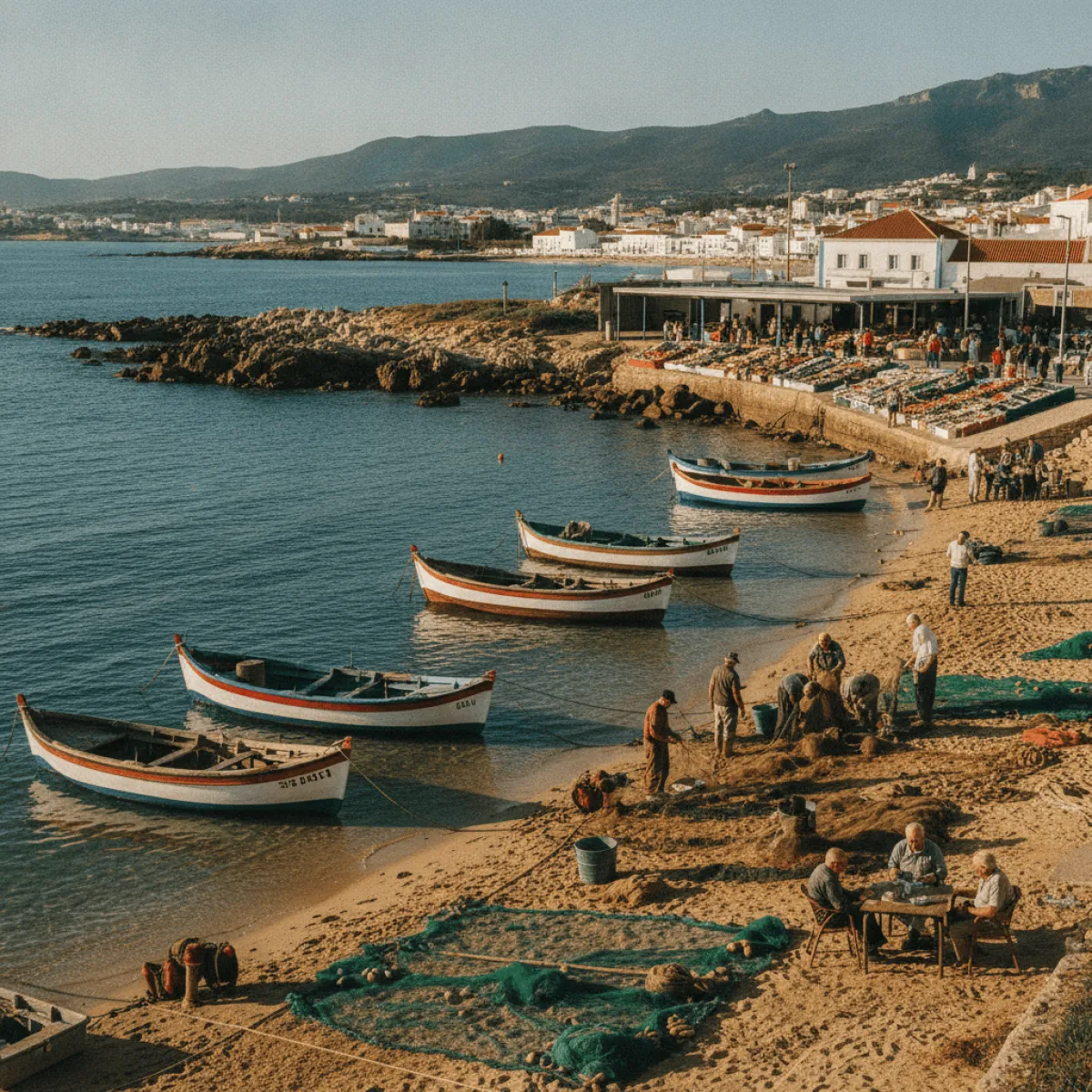
Someone always turns up in Setúbal with a surfboard strapped to the roof, hunting for waves, and leaves confused. The Arrábida coast doesn't have swell worth the name, and that's not a flaw, it's geography: the hills cut off the north wind, the bay faces south, and the sea that results looks more like a giant saltwater pool than the wild Atlantic you get in Peniche or Ericeira. If you want waves, head to Costa da Caparica or further south to Meco. If you want the sea as something to feel rather than fight, stay put. Setúbal isn't about catching a wave. It's about paddling slowly, diving into clear water, and realizing that sometimes the thing that rides these waters best isn't a surfer, it's a dolphin.
Why there's no swell in Arrábida (and what you get instead)
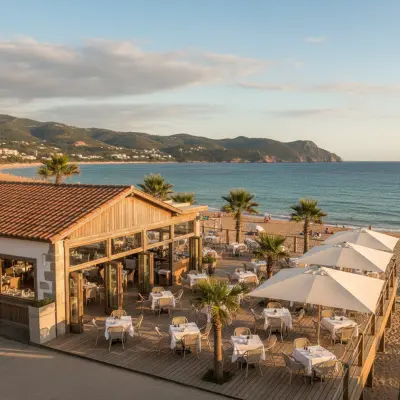
The explanation is simple and worth knowing before you show up disappointed: the Arrábida hills form a natural shield that protects Setúbal's bay from Atlantic swell. The result is calm water, often with visibility running several metres deep, a turquoise colour that feels out of place on mainland Portugal. That's why Praia da Figueirinha looks lifted from a Mediterranean postcard rather than the Atlantic. You won't be catching waves here, but you'll swim in water that pushes past 22 degrees in peak August, which by Portuguese standards is already generous.
This changes what "riding the sea" means around here. Instead of surfboards, what you see are stand-up paddleboards gliding across flat water, kayaks hugging the rocky coastline, snorkelers weaving between boulders, and further out, slow boats trailing dolphins. It's a different kind of adrenaline, slower, but no less real.
The three beaches that define Arrábida
Not all the beaches along this coast are the same, and it's worth knowing the difference before you burn a morning hunting for parking.
Praia da Figueirinha: the easy one, the crowded one
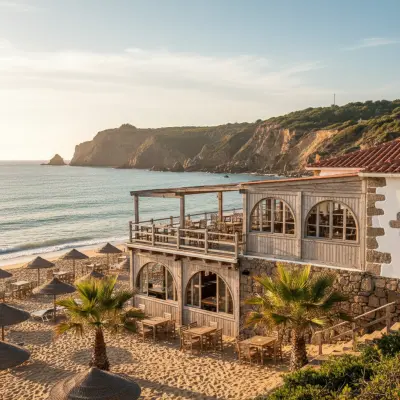
This is the entry point, literally: the road runs almost to the sand, there's a large car park (which fills before 10am in August, fair warning), beach support facilities, and a generous stretch of sand that handles crowds without feeling like a sardine tin. Good for families or anyone who doesn't want to walk. The water stays shallow near the shore, ideal for a first taste of Arrábida.
Praia dos Galapinhos: the one on every list, and rightly so
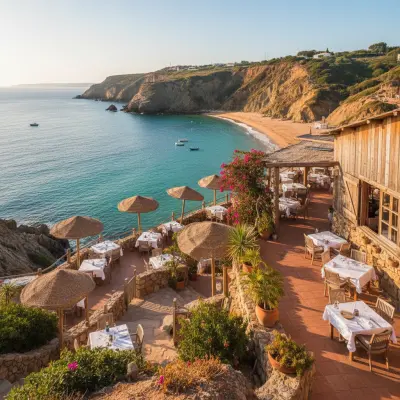
Praia dos Galapinhos has been named one of the best beaches in Europe more than once, and you'll understand why the moment you climb down the wooden staircase into the cove. It's small, boxed in by limestone cliffs on both sides, and the water has that Photoshop blue that isn't actually Photoshopped. The price you pay is literal: the descent, and the climb back up at the end of the day on legs already tired from swimming, is long. Access is often capped in summer, with a limit on how many people can be down there at once. Go early, before 9am if you can, or accept you'll be queuing.
Praia do Creiro: for whoever wants quiet
Less talked about, more discreet, Praia do Creiro faces the Sado estuary rather than the open sea, which makes its water even stiller, almost river-like. It's the right call once you've already done Figueirinha and Galapinhos and want an afternoon without someone else's towel edging onto yours.
Learning: SUP and kayaking instead of surf lessons
There are no serious surf schools in Arrábida, for the obvious reason already covered, but stand-up paddleboarding and kayaking options keep growing, mostly launching from Setúbal town and its riverfront. For first-timers, it's the easiest way to "ride" the water without constantly falling off: twenty minutes of instruction is usually enough to hold your balance on flat water. Check locally which operators are running during your visit, since the offering shifts year to year, but the principle holds: calm water like Arrábida's is the ideal place to learn, not to risk a surfboard wipeout onto rocks.
Who actually rides this water well: the dolphins of the Sado
If anyone truly surfs in Setúbal, they don't use a board. The Sado estuary holds one of Europe's few resident populations of bottlenose dolphins, and watching them tuck in behind a boat's bow, literally riding the pressure wave off the hull, is the closest thing to surfing this destination offers. Boat trips leave regularly from Setúbal's riverfront in search of them, and it's worth booking ahead during peak season. To know what to expect before boarding, it's worth reading the full guide to dolphin watching in Setúbal on the Sado River, which covers schedules, trip length, and the realistic odds of a sighting (never guaranteed, these are wild animals, but the odds are decent).
The same estuary is also one of the country's best spots for birdwatching, with salt marshes that draw flamingos, herons, and an impressive number of migratory birds depending on the season. Anyone who prefers their nature quieter, without an engine running, should look at the birdwatching experience in the Sado Estuary, which lays out clearly what to expect and where to go.
After the water: where to stop without leaving the beach
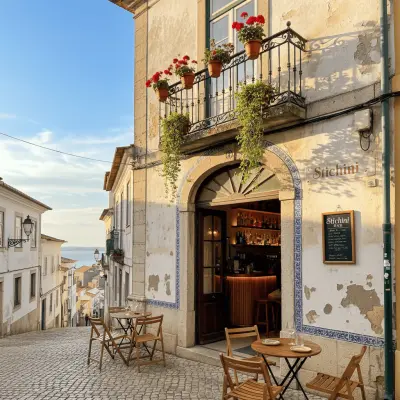
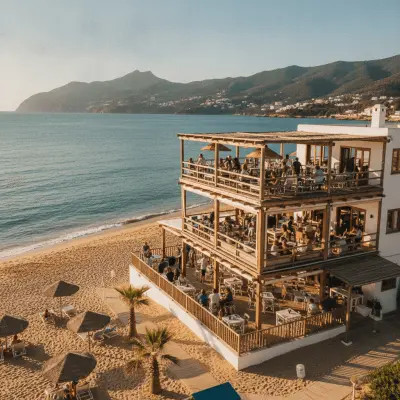
A beach day in Arrábida doesn't have to end when you get out of the water. Stichini Bar exists for exactly this moment: feet still full of sand, skin tight with salt, and a craving for a cold drink with a sea view instead of an immediate drive home. It's informal, unfussy, and better attended in beach clothes than anything dressed up.
Getting there and what it costs
From Lisbon, Arrábida is a bit over half an hour by car via the A2 and then the N379-1 mountain road, which is worth the drive on its own: the curves above the cliffs, with the sea below shifting shade of blue depending on the light, rank among the prettiest stretches of road in Portugal. In August, that road can jam up on weekends, and some local authorities run shuttle buses from Setúbal town to ease traffic and car park pressure, worth checking locally whether one's running when you visit.
As for costs: getting onto the beaches is free, but parking at the Arrábida beaches usually carries a modest fee in peak season, charged by hour or by day depending on the beach, and spots run out early on sunny days. Dolphin-watching boat trips vary in price depending on length and operator, but generally sit at accessible rates for a morning or afternoon out, and it pays to book online ahead of time in July and August.
What first-timers need to know
- Arrive early (before 9am) if you want a parking spot at Figueirinha or Galapinhos in summer.
- Bring water shoes or sandals: the seabed in several spots is rocky, not loose sand.
- The climb down to Galapinhos is long and shadeless, carry water.
- Book the dolphin trip ahead during peak season.
- Don't expect waves. Expect clear water, strong light, and a slower rhythm than the rest of the Portuguese coast.
In the end, maybe that's what makes Setúbal different from every other surf destination in the country: nobody here is fighting the sea, waiting on a perfect wave that never quite comes on schedule. You're simply in it, slowly, alongside creatures that have known how to actually ride these waters far longer than any tourist with a board under their arm.