Loulé in September: The Algarve Without August's Crowds
In September, the Algarve trades crowds for golden afternoon light. In Loulé, the sea is still 21°C, restaurant tables no longer have a two-hour wait, and the castle can be visited without bumping into anyone.
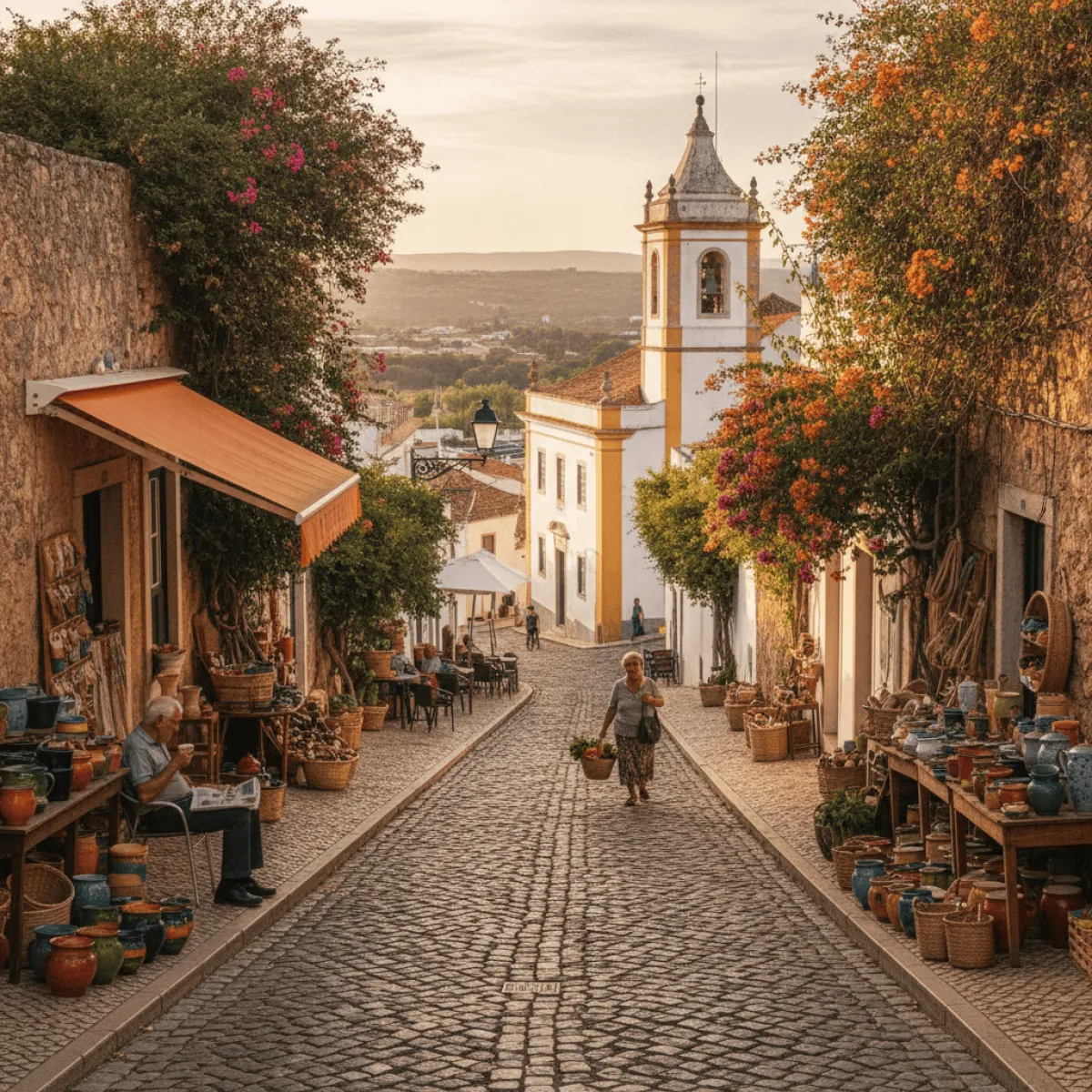
September is when the Algarve gets its own life back. Portuguese families have gone back to school and work, tour buses no longer queue for the viewpoints, and in Loulé, the municipal market has room to walk through without bumping into anyone. If you still picture the Algarve as packed beaches and inflated prices, it's time to reconsider: September is when this destination shows its most balanced version, with warm sea, long sunny days, and an inland Algarve town, Loulé, ready to be explored at a walking pace.
This guide isn't about beaches. It's about what to do when the heat backs off and the afternoon light turns gold. It's about arriving in Loulé, staying a few days, eating well, and understanding why September, not August, is the month locals actually prefer.
The Weather in September: What to Really Expect
Forget the idea that September already means autumn. In the Algarve, average temperatures run between 19°C and 26°C, with the first days of the month still touching 28°C in the afternoon and dropping to a comfortable 18°C at night. The sea stays around 21°C, so swimming is still very much on the table, and the real difference from August is the intensity of the midday sun and the number of people on the streets.
It barely rains: on average, only 2 to 3 rainy days for the whole month, with total rainfall around 15 to 20 mm. Don't pack a raincoat expecting daily downpours, but keep one handy, because when it does rain in the Algarve in September, it's usually a fast, sharp thunderstorm, not a drizzle.
What actually changes is the light. By 7pm in September, you no longer get that vertical, relentless July sun. The angle is lower, warmer in tone, and that transforms the experience of walking through the Serra do Caldeirão or the narrow streets of Loulé's historic center.
What to Pack
September in the Algarve calls for a smart bag, not a heavy one:
- Light clothing for the day (linen, cotton) plus a light sweater or jacket for after dinner, since evenings cool down noticeably
- Swimwear, obviously, but also comfortable walking shoes for the uneven Portuguese cobblestones, especially if you're visiting the castle or the old town
- Sunscreen, because even with milder heat, the September Algarve sun still burns
- A hat or cap, since midday is still shade hour, not exposure hour
- Something slightly dressier for a proper sit-down dinner, because in September the good restaurants no longer have a two-hour queue, and it's worth stretching out a meal without rushing
Where to Stay: Loulé Without the Rush
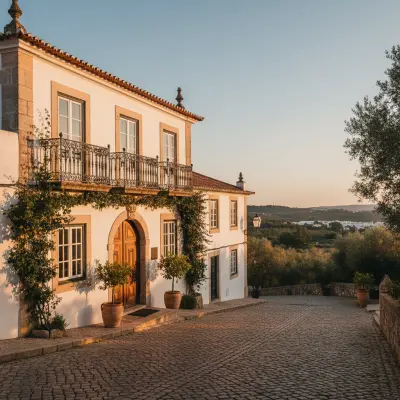
Where you stay changes everything in September, because you no longer need to book six months in advance or pay August prices. In Loulé, CASA BRAVA is a solid base for anyone who wants to be close to the historic center without giving up space and privacy, and September is exactly the month when this kind of local stay pays off: more reasonable rates, real availability, and the possibility of negotiating a longer stay without feeling like you're paying July prices.
Staying in Loulé instead of on the coast also changes the rhythm of the trip. Instead of waking up to a packed beach, you wake up to the sound of vendors setting up the market, and the beach becomes a short drive away for when you feel like it, not a daily obligation.
A Day in Loulé: Castle, Market, and Museums
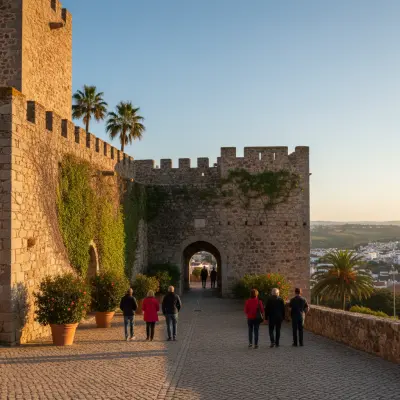
Start the morning, before the heat sets in properly, at Castelo de Loulé. It's not the most monumental castle in the Algarve, but it's honest: it shows the layers of the town's occupation, from the Moorish walls to more recent reconstructions, and the small archaeological museum inside gives context without overdoing the staging. You don't need more than an hour, but it's the right starting point for understanding the town.
If September gives you time to stay more than a day, it's worth dedicating a full morning to the Loulé Museum Marathon, a route through the town's seven museum hubs that, together, tell Loulé's story far more completely than any tourist brochure. It's the kind of program that only makes sense done slowly, and September, without crowds competing for space in small rooms, is the ideal month for it.
After noon, Loulé's municipal market, with its neo-Moorish dome, still has stalls running, though the busiest movement is early morning. It's worth walking through just to see the structure, even past peak hours.
Where to Eat in Loulé
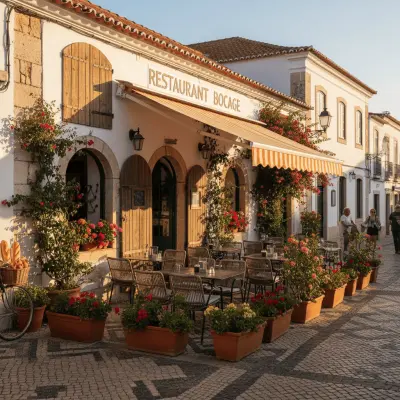
September is also the month when Loulé's restaurants get to breathe again. At Restaurante Bocage, you no longer need to book weeks ahead, and that changes everything: you get an unrushed table, calmer service, and the chance to actually talk to whoever's serving about what's genuinely good that day. It's the kind of place where it pays to trust the house recommendation instead of going straight for the most obvious dish on the menu.
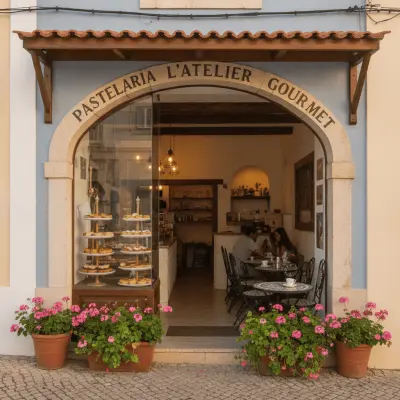
For afternoon coffee, or to bring something sweet back to your stay, Pastelaria L'atelier Gourmet is the right call. September, with milder afternoons, is the perfect time to sit on a terrace with a coffee and a pastry and watch the town go by slowly, without August's heat pushing everyone indoors.
Slowing Down: Yoga in the Loulé Mountains
One of the less obvious advantages of traveling in September is that there's mental, and physical, space for slower experiences. The Yoga in the Loulé Mountains, at Wild View, uses exactly this combination of milder temperatures and softer light to offer outdoor sessions overlooking the hills. You don't need to be an experienced practitioner, you just need to be willing to trade a morning at the beach for a morning of quiet, with the scent of rockrose and rosemary from the Serra do Caldeirão as backdrop.
Day Trips from Loulé: Silves, Faro, and Aljezur
Loulé is an excellent base for exploring the rest of the inland Algarve and the west coast, and September is the ideal month for it, precisely because the Algarve's short distances stop meaning traffic and queues.
If you're traveling with kids, the detour to Silves, about 30 minutes from Loulé, is worth it. The guide Silves with Kids: The Honest Family Guide spares you the usual traps of taking children to a historic town, and September, with more tolerable temperatures for walking in the sun with a toddler on your hip, is much better than August for this kind of outing.
For anyone who wants to understand the Algarve beyond the resorts, the guide Local Culture in Faro: Traditions and Experiences of the Authentic Algarve is good reading before a short trip to the district capital, about 20 minutes from Loulé. And if September still feels like vacation time and you want to check out the west coast, the guide How to Dodge the August Crowds on the Algarve, in Aljezur still holds up in September: Aljezur's beaches empty out even more outside August, and the logistics and timing tips still apply.
Getting There and What It Costs
Faro airport is the obvious entry point, about 20 minutes by car from Loulé. In September, low-cost flights from several European capitals still have reasonable fares, especially if you avoid the first few days of the month, which still carry some late-summer demand. A rental car pays off if you plan to explore Silves, Faro, and the west coast from Loulé, since public transport between these towns is limited and infrequent.
In terms of cost, September usually brings a 20 to 30% drop from August in accommodation, and restaurants, without peak-season pressure, tend to keep their menus more stable, without the seasonal markups seen in high summer. A full meal at a place like Restaurante Bocage typically runs between 25€ and 40€ per person, depending on wine choice, and a coffee with a pastry at Pastelaria L'atelier Gourmet runs around 3€ to 5€.
Why September Is the Right Month
There's no mystery to it: September in the Algarve, and in Loulé specifically, is when the equation tips in your favor. The sea is still warm, the sun still shows up every day, but the queues have disappeared, prices have dropped, and the town has gone back to being lived in by its own residents, not just tourists. If all you know is the Algarve in August, you know the most exhausted version of this destination. Come in September, and you'll notice the difference by your first breakfast on an empty terrace.