Almada on a Budget: The Cheap Side of the Tejo
On the other side of the Tejo, a glass of wine still costs three euros and the view of Lisbon is free. A guide to Almada for anyone who wants to see it all without paying capital-city prices.
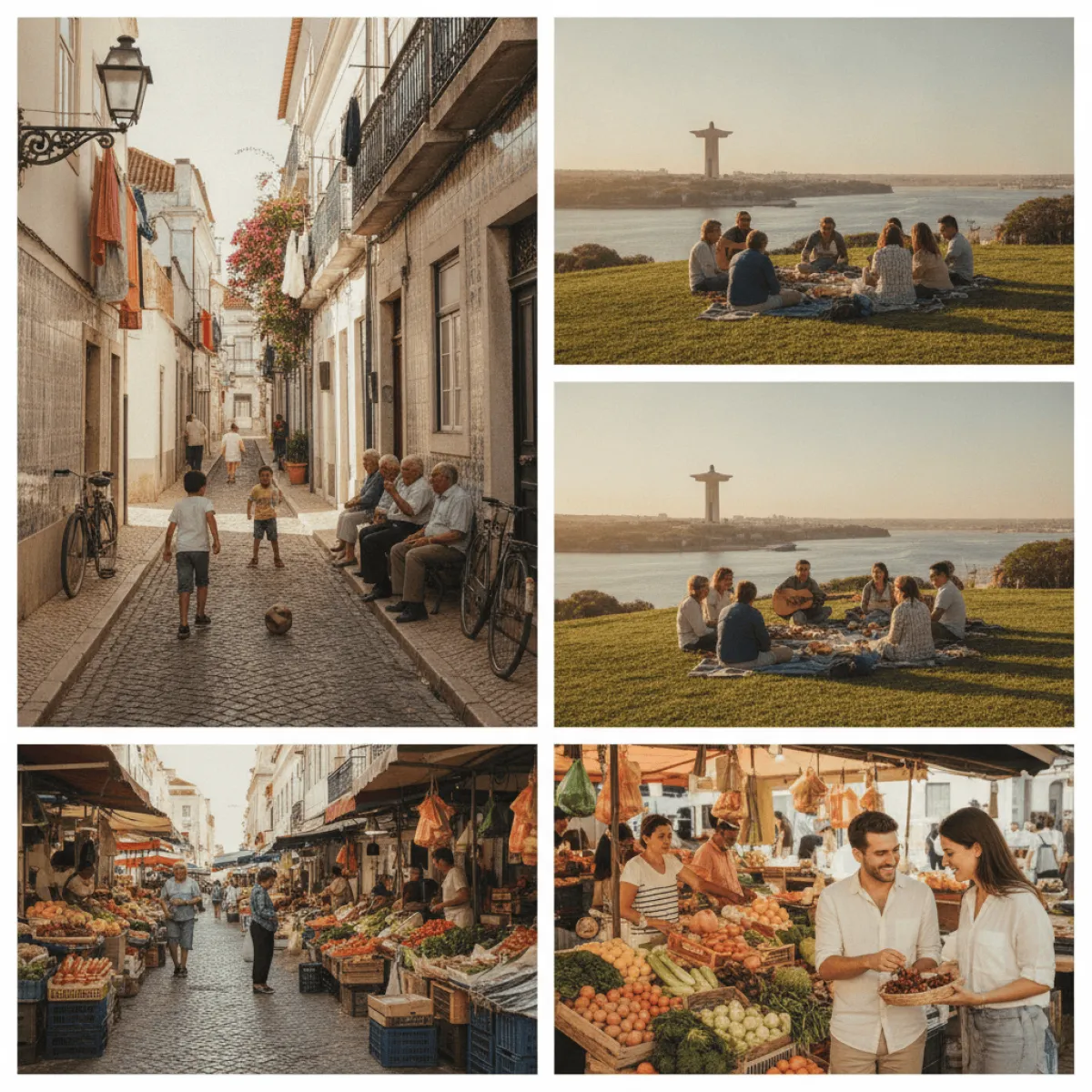
Everyone who visits Lisbon should cross the river at least once, if only to realize that the city's best view isn't found inside the city itself. It's in Almada, on the other bank of the Tejo, and it costs whatever the ferry ticket costs that day, somewhere around 1.50 to 2 euros. While Lisbon keeps raising prices for a brunch with a view, Almada is still the place where things cost what they should: a glass of wine for three euros, a grilled fish portion big enough for two, a sunset that stops you mid-sentence and doesn't cost a cent.
The crossing is already the sightseeing
Start at Cais do Sodré. The cacilheiro ferry to Cacilhas leaves every 15 to 20 minutes at peak times, takes about ten minutes, and hands you the exact same panoramic view of Terreiro do Paço and the Castelo that river cruises charge thirty euros to show you, just from the opposite angle and without a guide talking over it. Stay on deck, even if it's windy, even if the boat is packed with commuters heading home. It's out there, mid-river, that you understand why Almada never bothered marketing itself as a destination: it already has Lisbon's best view built into the price of a ferry ticket, and nobody on the other side seems to have noticed yet.
Cacilhas: a shipyard neighborhood before it was pretty
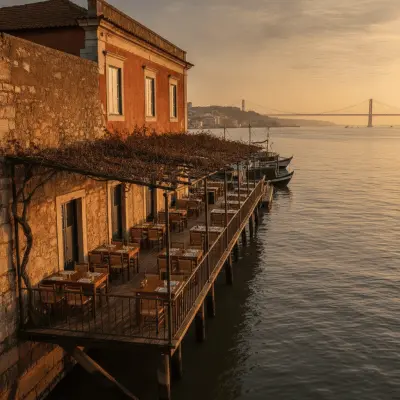
Cacilhas spent decades as the neighborhood of shipyards and cheap seafood joints where dockworkers ate lunch, and that history is still there in the streets behind the ferry terminal, where paper-tablecloth tascas still outnumber restaurants with laminated menus. This is where you'll find Restaurante Ponto Final, no longer exactly a secret, the tables set right at the water's edge have made sure of that, but still fair value for what you get: grilled fish, seafood rice, a terrace that seems to float on the Tejo. Go early, before 7pm, to get a table without a long wait and still catch the sun dropping behind the Ponte 25 de Abril while you eat. It's not the cheapest restaurant in Cacilhas, but it's the one that gives you the most for your money: you're paying for the view as much as the plate, and across the river that same view would cost twice as much at some rooftop bar.
For genuinely cheap meals, walk ten minutes upriver to the streets behind Cacilhas's municipal market, where tascas without translated menus and daily specials at prices that have vanished from Lisbon still survive. I won't name specific spots I can't personally vouch for, but the rule holds: if the terrace has paper tablecloths clipped down against the wind and the menu is handwritten on a chalkboard, you're in the right place. Order the catch of the day, never the most expensive thing on the menu.
The views that cost nothing
Everyone climbs Cristo Rei and pays for the elevator up to the viewing platform at the top of the pedestal. Do it differently: see the monument from below, from the free Jardim do Cristo Rei, then walk over to the Elevador Panorâmico da Boca do Vento, which connects Cacilhas to Almada's historic center and is completely free, open daily from 9:30am to 11:30pm. It's a municipal elevator, built for residents climbing the hill without breaking a sweat, not for tourists, and that's exactly the joke: you're using neighborhood infrastructure to see all of Lisbon, from Parque das Nações to Belém, without paying a single euro for a viewpoint.
Almada Velha, the old quarter around the cathedral, is worth the walk on its own once you step out of the elevator: narrow streets, weathered tilework, almost no tourists cluttering the pavement. It's the most useful contrast the city offers: ten minutes by elevator separate the tour-bus crowds at Cristo Rei from the quietest neighborhood on the entire south bank.
Nightlife: Irish beer, wine and cocktails without wrecking the budget
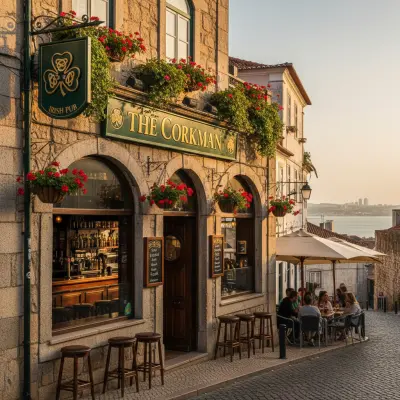
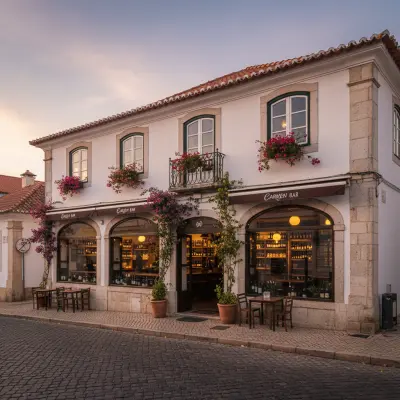
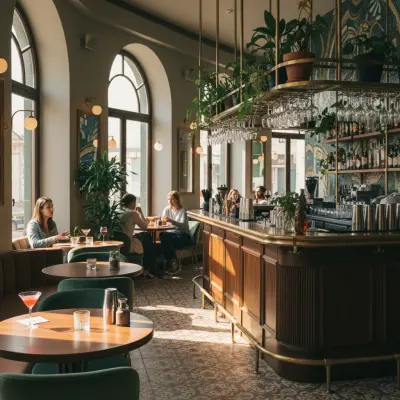
Almada has a bar scene that hasn't yet figured out it could charge Lisbon prices, and long may that last. The Corkman Irish Pub is the classic Irish pub, well-poured Guinness and football on the big screen, the kind of place where a full night out costs about the same as two beers at some rooftop near Cais do Sodré. If you'd rather have wine by the glass without the pretension, Carmen Wine Bar has a well-chosen list and a genuine neighborhood feel, none of the theatre of certain Lisbon wine bars where you're paying more for the decor than for what's actually in your glass. And to close the night with a cocktail someone actually made carefully instead of a generic pour heavy on ice, Ophelia Cocktail Bar proves you don't need to cross back over the river to drink well: inventive menus, staff who know what they're talking about, none of the queue or unspoken dress code you'll find at certain bars in Bica or Príncipe Real.
The logic is always the same: order the house specialty instead of the priciest thing on the list, show up before 10pm to skip fully-booked tables, and accept that in Almada it's still normal to pay for a full glass what Lisbon now charges for half of one.
Beach days without a twenty-euro umbrella
Costa da Caparica is about a twenty-minute bus ride from central Almada and still has enough sand that you'll never need to book a sunbed in advance. The transpraia, the little train that runs along the dunes serving several different beaches, costs a fraction of what beach concessions charge anywhere fashionable in the Algarve, and it drops you at stretches of sand that are practically empty outside of August. Bring a towel, bring water, and the only real expense of the day ends up being the bus fare over.
If at some point over the weekend you want to stretch the budget for an afternoon, some people come to Almada specifically for this: a spa day at Costa da Caparica is the kind of splurge that still costs less here than an equivalent treatment at any five-star hotel across the river. It's not essential to the itinerary, but if your budget can absorb one exception, this is where it's worth spending it.
How to think about the money over two days
A weekend in Almada, done with a bit of sense, roughly breaks down like this: ferry tickets and local transport, one proper sit-down meal at Ponto Final, two or three meals at neighborhood tascas, a handful of drinks across the bars in Cacilhas and the center, and the transpraia fare to the beach. Not counting accommodation, that comes in well under an equivalent weekend on the other side of the river, and you're not sacrificing much of anything: the view is the same, the fish comes from the same river, the sunset drops behind the same bridge.
If you're coming from Lisbon and have already worked through the capital's more obvious routes, it's worth reading up on local culture in Lisbon and its neighborhoods before crossing the river, just to understand the contrast better: Almada isn't trying to imitate the capital, it mostly lives with its back turned to it, and that's exactly why it's still cheap.
The essentials
- Take the ferry, not a car: cheaper, faster at rush hour, and the view makes up for any discomfort standing on deck.
- Save the restaurant budget for Ponto Final and eat at neighborhood tascas the rest of the time.
- Take the Elevador Panorâmico da Boca do Vento before you even consider paying for the Cristo Rei elevator.
- Drink at the bars in Cacilhas and central Almada, where prices still make sense.
- Use the transpraia to reach empty stretches of Costa da Caparica without paying for a pricey beach concession.
Almada isn't the budget version of Lisbon. It's the south bank version that hasn't yet decided to charge for what it's always given away for free: space, relative quiet at seven in the morning by the water, and a view over the Tejo that, from the other side, already costs the price of a museum ticket.