São Vicente: The Only Museum Worth the Ticket
São Vicente has exactly one museum worth the ticket, carved into a 890,000-year-old lava tube. The rest of the day sorts itself out at the Clube Naval's black-rock pools and the bakery counter, with the bolo do caco still warm.

If you came to São Vicente hoping for an afternoon of museums, I have bad news: you're going to have a lot of free time left over. The village has exactly one space that can be called, with some generosity, a museum: the Grutas e Centro do Vulcanismo, carved out of an old lava tube. Beyond that, there's no regional art gallery, no house-museum dedicated to a local figure, no religious art collection opening at ten and closing at five. And honestly, after spending a day here, it makes sense why: São Vicente doesn't need display cases to be worth your time. The interesting part is outside, in the black rock of the beach and the steam rising off the bakery counter at seven in the morning.
The one classroom worth the ticket
The caves formed roughly 890,000 years ago, when an eruption at Paul da Serra flowed down toward the sea as lava. The surface cooled fast and hardened, while the molten rock underneath kept moving, leaving behind a series of volcanic tunnels with a total length of over a thousand metres, the largest known on the island. They were discovered by locals in 1885 and only opened to the public in October 1996, which tells you something about the pace of things around here.
The walk through the caves is short, cool, and free of real surprises: a lit corridor you walk through standing up, with panels explaining the geology, followed by the Vulcanism Center, which uses audiovisual projections to recreate the island's volcanic birth. Budget half an hour, maybe an hour if you stop to read every panel. It's worth the ticket if you have genuine curiosity about geology, or if you're travelling with kids who need a cool indoor break in the middle of the day. It's not worth it if you're chasing a deep cultural experience: this is a solid interpretive center, not a revelation. One practical note, since it has been known to close temporarily for maintenance: check locally for current opening hours before you build your day around it.
That said: it's the only museum in São Vicente actually worth mentioning. There isn't a second one, or a third. And that's fine.
What's actually worth your time
While museums are scarce, the rest of the day sorts itself out. São Vicente built its reputation on two things: the sea and breakfast.
The natural pools
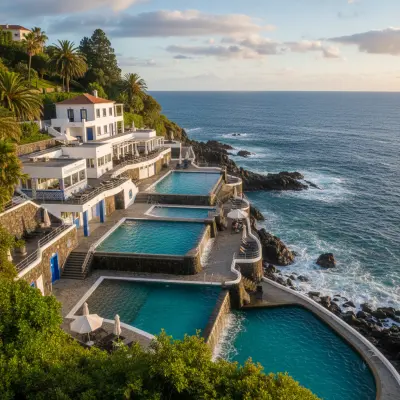
The Complexo Balnear do Clube Naval de São Vicente makes use of black lava formations along the shore to create natural pools and bathing areas sheltered from the heavier swell. It's the kind of place where you lose track of time: you go in for a quick swim before lunch and come out three hours later, skin smelling of salt, with no real explanation for where the morning went. Right next to it, Praia de São Vicente keeps the dark pebble character typical of Madeira's north coast, more dramatic than comfortable for lying down on a towel, but as photogenic as it gets.
Where to eat, no ceremony required
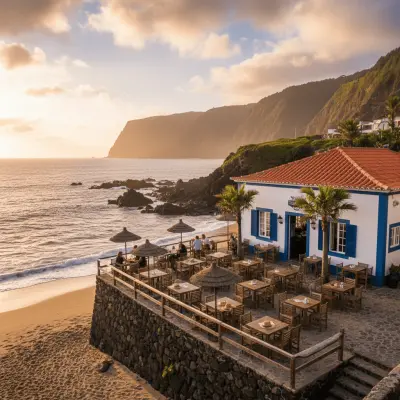
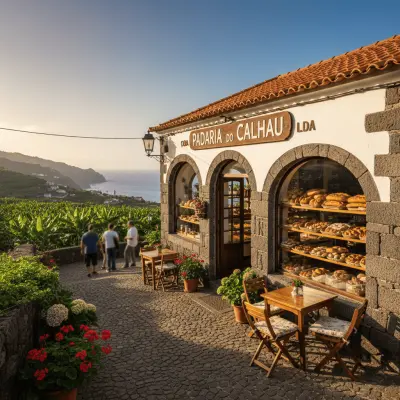
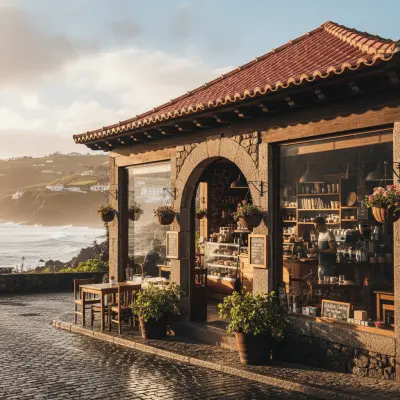
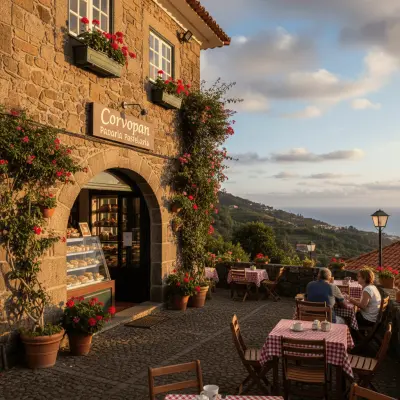
Don't come to São Vicente looking for a Michelin-adjacent meal. Come for the bread. Padaria do Calhau LDA is the kind of place where you buy bolo do caco still warm and eat it standing at the counter, because waiting until you get to the car feels like a waste of time. For a proper coffee and a slower break, Coffee House handles it well, with an outdoor terrace to watch the village's slow rhythm. And if there's room left, Corvopan Padaria Pastelaria is a safe bet for traditional pastries, no pretense and no tourist markup.
The levada, if your legs are up for it
Anyone wanting more than beach and pastries has the Levada do Rei from São Vicente, a trail that runs through UNESCO-listed Laurel Forest, with the constant sound of water running alongside the path. It's mostly flat, which makes it manageable for non-experienced hikers, but wear proper shoes: the moss on the stones does not forgive distraction. If you're planning more levada days elsewhere on the island, the guide Funchal's Levadas in April: The Walks Worth Your Time is a useful starting point for a wider itinerary.
If the timing works, the festival
If your visit lines up with the right season, it's worth rearranging your plans around Arraial dos Lameiros in São Vicente, a genuine local festival, not staged for tourists, where the street food and live music say more about local identity than any interpretive panel ever will.
Getting there and what it costs
São Vicente sits on Madeira's north coast, about 40 minutes by car from Funchal via the fast road through the Encumeada tunnel, or along the slower coastal route with better views. Madeira has no trains or trams, so it's rental car or public bus, and the car pays off in flexibility, since you'll want to stop at the pools or the bakery on a whim. Parking in the village center isn't an issue most of the year, but in August and summer weekends the spots near the Complexo Balnear fill up early.
On cost: the cave ticket sits in the range typical of a small regional attraction, but confirm the current price before you go, since these things change. A full breakfast at either bakery usually runs under five euros. The natural pools typically charge a small entry fee during high season. None of this will dent your travel budget.
The verdict
If you're building a Madeira itinerary around museums, São Vicente won't tick that box, and that's fine. The Vulcanism Center earns an hour if geological curiosity gets the better of you, but don't build your day around it. Build it around the black-rock sea at the Complexo Balnear, warm bolo do caco, and, if the season allows, the arraial. Anyone who's already ticked off where to eat grilled sardines in Câmara de Lobos or spent a festival month in Funchal will recognise the pattern: on Madeira, the best guidebook is still the landscape itself.